As AI agents evolve from mere theoretical constructs to practical applications within the corporate world, the implications for employment are becoming increasingly profound. These autonomous systems, capable of perceiving environments and making decisions with minimal human intervention, are not just reshaping industries but also redefining the very nature of work itself.
The significance of agentic AI for employment cannot be overstated. As these technologies gain traction, they promise to streamline operations across various sectors, potentially displacing jobs traditionally performed by humans. However, they also offer opportunities for new roles and responsibilities, pushing the boundaries of what workers can achieve in an AI-augmented workplace.
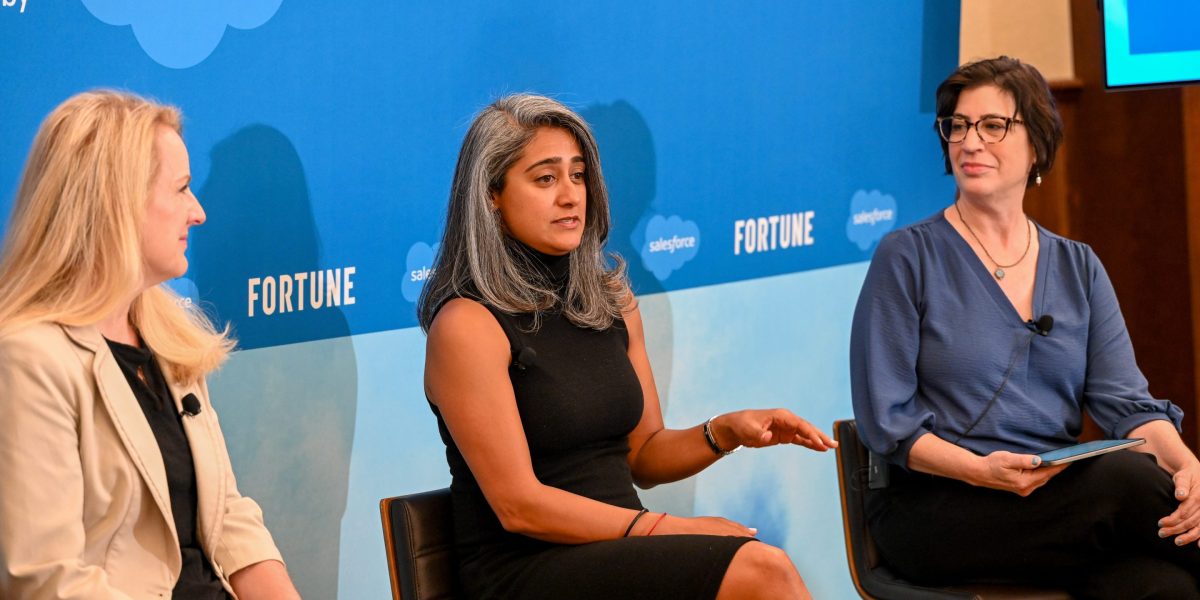
In recent discussions at Fortune Brainstorm Tech, industry leaders from Salesforce, Zillow, and Experian explored the current and future states of AI agents. From aiding real estate agents with routine tasks to assisting financial institutions in risk assessment, the integration of AI agents is transforming job functions. Nicholas Stevens of Zillow highlighted how AI is beginning to handle tasks like summarizing calls and booking tours, gradually gaining user trust. This shift, though initially met with skepticism, is paving the way for more widespread adoption.
Moreover, the maturation of AI agents is not without its challenges. As Kathleen Peters from Experian noted, while agents now assist in credit score improvement and underwriting, the ultimate goal is seamless inter-agent communication. This capability could revolutionize industries by enabling more efficient data sharing and decision-making processes. However, the security of these systems remains a critical concern, as emphasized by Okta's Bhawna Singh. The implementation of protocols like the Model Context Protocol (MCP) is crucial for ensuring secure and standardized interactions between AI agents and external data sources.
Indeed, the evolution of AI agents represents a significant shift in the employment landscape. As companies adopt these technologies, new roles will emerge, focusing on managing and optimizing AI systems, while existing roles will evolve to leverage AI capabilities. The ability to work alongside AI agents could become a defining skill in the near future, as organizations seek to balance automation with human oversight.
Looking ahead, the next 12 to 24 months will be pivotal. As AI agents become more sophisticated, workers will need to adapt, acquiring new skills to remain relevant in an AI-driven economy. Companies, too, must navigate the challenges of integrating AI into their workforces, ensuring that human creativity and judgment continue to play a vital role.
In conclusion, as AI agents continue to mature, they promise to transform the workforce in ways that are both exciting and challenging. By embracing these changes, workers and companies alike can harness the full potential of AI, driving innovation and productivity across industries.
Originally reported by Fortune.