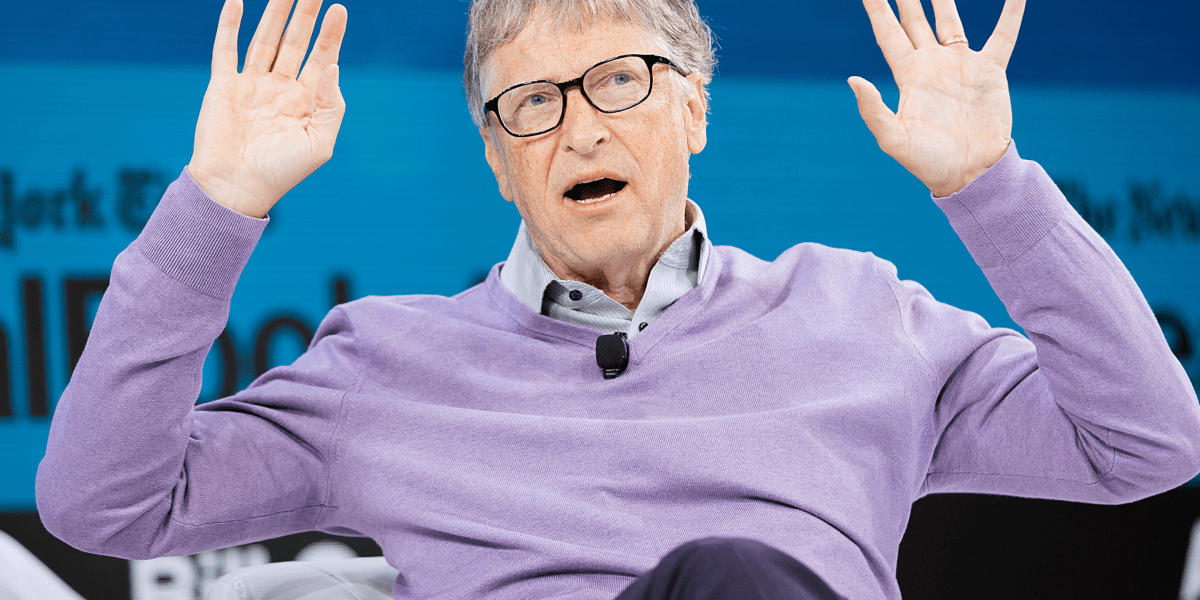
The predictions of an impending four-day workweek, propelled by the rise of automation and AI, may be more utopian than imminent, according to industry perspectives. As tech luminaries like Bill Gates and Elon Musk envision a future where human labor is minimized, Mark Dixon, CEO of International Workplace Group (IWG), presents a contrasting view grounded in economic realities.
The discourse on automation's impact on employment is crucial today as businesses grapple with escalating operational costs. With significant cost-of-living crises in key economies like the U.S. and U.K., enterprises are under pressure to optimize labor expenses rather than reduce working hours.
Dixon challenges the notion that automation will inherently lead to fewer workdays, arguing that the economic landscape necessitates a different outcome. Instead of liberating employees, automation might intensify workloads by reallocating freed time to new tasks. This perspective finds resonance in historical precedents, where technological shifts initially induced fear of displacement but eventually catalyzed job creation in novel domains.
Indeed, the Industrial Revolution serves as a pertinent analogy. Initially met with resistance by the Luddites, it ultimately expanded employment opportunities through mass production and the rise of managerial roles. Similarly, the digital revolution transformed various professions, requiring adaptations rather than eliminating them altogether. Jobs like copywriting and design have evolved with tools like Adobe Photoshop, signifying the transformative power of technology.
Moreover, Dixon's insights emphasize the imperative for the upcoming workforce to adapt by acquiring skills pertinent to AI and technology. As companies inevitably pursue progress, individuals must strategically select career paths that align with these advancements. This necessity underscores the evolving interplay between AI and employment, where technology is a catalyst for both change and opportunity.
Looking ahead, the next 12 to 24 months could witness an increased emphasis on skill acquisition and technological fluency among workers. As automation accelerates, sectors that embrace innovation are poised to thrive, potentially leading to the emergence of new job categories that were previously unforeseen.
Ultimately, the narrative of AI and employment is one of transformation rather than obsolescence. As Dixon suggests, progress is unstoppable, and the onus is on workers to adapt and excel in a tech-driven landscape.
Originally reported by Fortune.