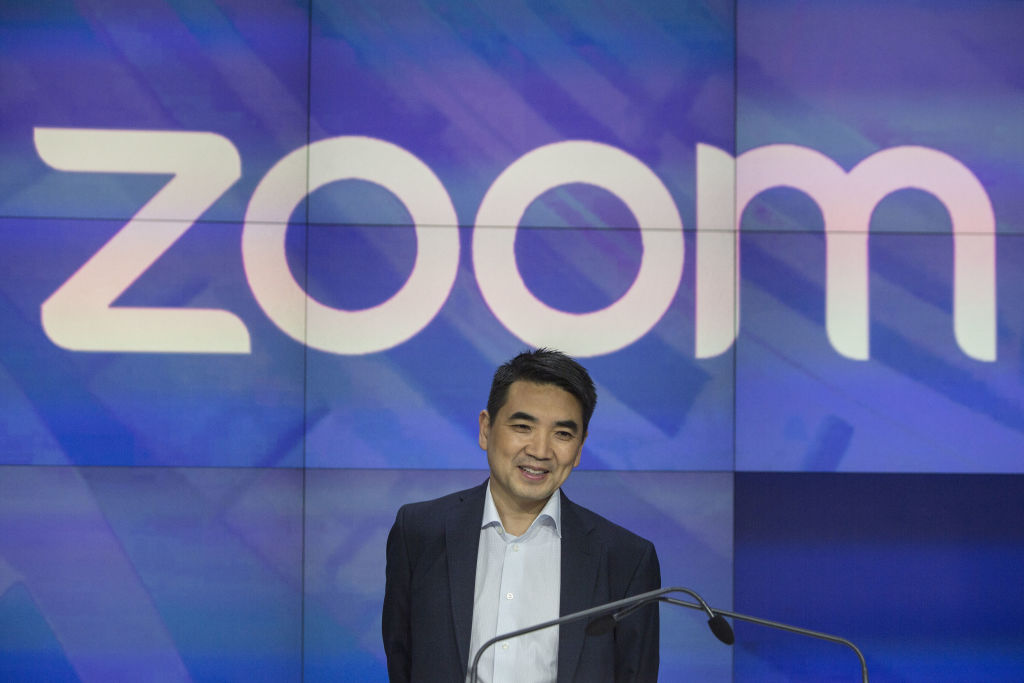
At the TechCrunch Disrupt 2025 conference, Zoom's CEO Eric Yuan painted a transformative vision for the future of work, driven by advancements in artificial intelligence. His bold assertion that AI assistants could curtail the traditional five-day workweek captures a pivotal moment in the ongoing evolution of the workplace.
The implications of this technology for employment are significant, as businesses increasingly embrace AI to enhance productivity. Yuan's remarks underscore a broader trend where AI is poised not only to augment existing roles but potentially redefine the nature of work itself. As AI avatars begin to undertake routine tasks, the demand for such digital surrogates could reshape job duties, leading to a redistribution of labor across industries.
Moreover, Yuan's concept of digital twins—a sophisticated AI avatar capable of representing employees in meetings—highlights a shift toward more flexible work arrangements. This innovation suggests a future where workers delegate mundane tasks to AI, allowing them to focus on strategic and creative endeavors. Indeed, this technological pivot could foster a more balanced work-life dynamic, as AI alleviates the burden of repetitive tasks.
Nevertheless, this transition is not without its challenges. As AI tools become integral to corporate strategy, companies must navigate the complexities of integrating these technologies into their workflows. Yuan's emphasis on strategic investment in AI underscores the need for businesses to adapt swiftly to these changes. In sectors like communication and collaboration, where Zoom operates, the ability to leverage AI effectively could become a key differentiator.
The potential for AI to revolutionize job roles also raises critical questions about workforce preparedness. As AI begins to alter the landscape of employment, workers must adapt to new realities, acquiring skills that complement these advanced technologies. The transition may prompt a reevaluation of job training programs and educational curricula to align with this new economic paradigm.
In the next 12 to 24 months, as AI continues to permeate various sectors, the workforce will likely experience a dynamic shift. Companies that harness AI's potential could see enhanced productivity and innovation, leading to a more agile and competitive labor market. However, the path forward requires careful consideration of ethical and practical implications, ensuring that AI-driven changes benefit workers and employers alike.
Yuan's vision of a shortened workweek, facilitated by AI, encapsulates a broader aspiration for a future where technology enhances human potential. As businesses and employees navigate this new frontier, the promise of AI-driven efficiency and flexibility may redefine the very essence of work.
Originally reported by TechCrunch.