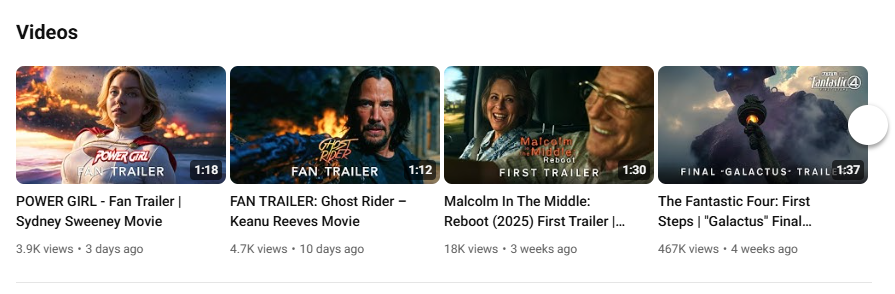
In a striking move, YouTube has permanently banned two of its most popular channels that specialized in creating AI-generated fake movie trailers. This decision underscores the growing tension between technological innovation in content creation and the ethical standards tech companies must uphold.
The suspension of these channels—Screen Culture and KH Studio—signals a critical juncture for employment in the creative sector, where AI tools are increasingly wielded to generate content. As these technologies advance, they continue to blur the lines between authentic and synthetic artistry, raising questions about the future roles of human creators in the digital economy.
Indeed, Google, which owns YouTube, finds itself navigating a complex landscape. While the company embraces generative AI to fuel content creation, it also bears the responsibility to maintain trustworthiness and authenticity on its platforms. The banned channels, with their combined audience of over 2 million subscribers, had gained traction for their believable but misleading trailers, such as those for non-existent projects like 'GTA: San Andreas (2025)' and 'Malcolm In The Middle Reboot (2025).' The move to shut them down reflects an effort to curb misinformation while balancing innovation.
Moreover, the legal environment is shifting, as illustrated by Disney's recent actions against AI-generated content. Disney's partnership with OpenAI, alongside its legal demands for content removal, highlights the growing vigilance over intellectual property infringements associated with AI. This development presents a dual challenge: while AI can democratize content creation, it also risks infringing on existing IP rights, potentially displacing traditional roles within the creative industries.
Nevertheless, as AI tools become more sophisticated, they may usher in a transformative era for creative professionals. The ability to generate complex visual and narrative content at scale could redefine roles such as scriptwriters, video editors, and graphic designers, who might now find themselves collaborating with AI to enhance their creative outputs rather than competing against it.
In the next 12 to 24 months, workers in the creative sector may witness a paradigm shift. As companies like Google continue to refine their AI offerings, creative professionals could either be displaced by these technologies or find new opportunities to leverage AI in their craft, perhaps creating a hybrid model of human-AI collaboration. The challenge will be ensuring that this transition is equitable and that workers are equipped with the skills necessary to thrive in this evolving landscape.
Ultimately, the banning of these YouTube channels serves as a microcosm of the broader challenges faced by the workforce in the age of AI. It is a poignant reminder that while technology can propel industries forward, it also necessitates ongoing dialogue about the ethical implications and the need to protect human creative potential.
Originally reported by Ars Technica