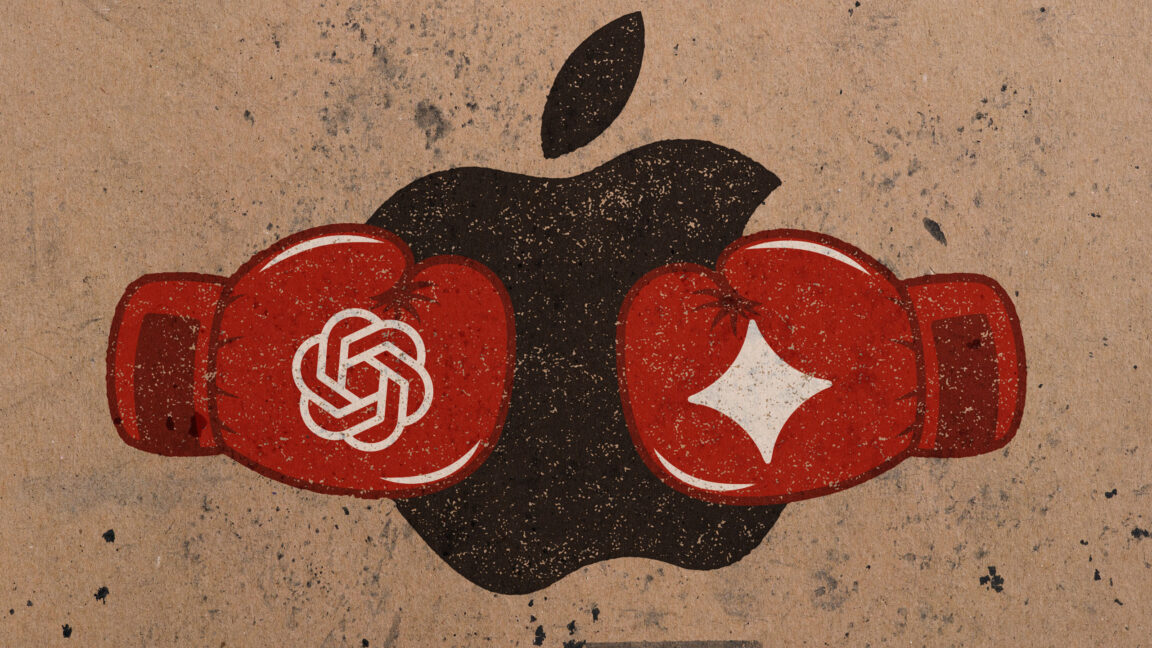
The competitive landscape between AI titans OpenAI and Google could have profound implications for global employment. As these companies advance their AI models—OpenAI's ChatGPT and Google's Gemini—the technological improvements may significantly alter various job sectors.
Recent tests comparing these two AI models highlight not only their capabilities but also their potential impact on employment. Indeed, as Apple integrates Google’s Gemini into its Siri voice assistant, the stakes for AI-driven employment shifts have never been higher. With the technology embedded in everyday tools, the influence of AI on job functionality is inevitable.
In the evolving AI marketplace, the constant upgrades to models like ChatGPT and Gemini underscore the transformative potential of these technologies. Moreover, with AI's increasing integration into consumer products, roles in software development and data analysis are being redefined. While some jobs risk being displaced, others are likely to emerge, demanding new skills and adaptability from the workforce.
The ongoing development of these AI models indicates a broader trend within the labor market, where the capacity for machines to handle complex tasks is expanding. For instance, the introduction of more sophisticated AI could streamline customer service operations, reducing the need for human intervention in routine queries. Nevertheless, this very advancement could spur demand for AI trainers and maintenance professionals, creating a new tier of employment.
As we look ahead, the implications for workers are significant. In the next 12-24 months, employees in sectors such as customer service, data entry, and even creative industries may find their roles evolving due to AI's capabilities. Meanwhile, companies will need to balance the efficiency gains from AI with the societal impact of workforce transformation.
The trajectory of AI development will undoubtedly shape the future of work, introducing both challenges and opportunities. As OpenAI and Google continue their technological duel, industries must prepare for a new era of employment dynamics.
Originally reported by Ars Technica