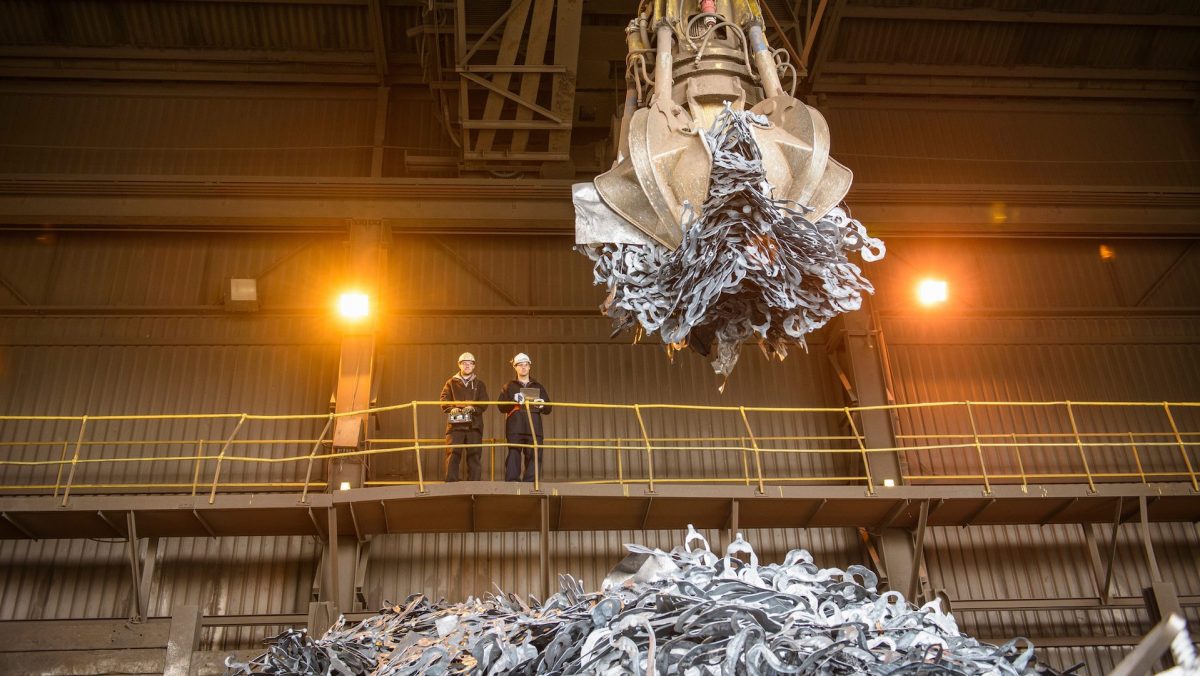
Sortera is redefining the recycling industry with its breakthrough in AI-driven aluminum sorting technology. This innovation not only addresses the growing aluminum waste issue but also heralds a new era for recycling jobs and industrial efficiency.
Aluminum, a material that can be recycled indefinitely, has long posed a challenge due to the difficulty in sorting mixed grades. With only a third of America's aluminum being recycled, the stakes are high for both environmental sustainability and economic viability. By introducing AI models capable of sorting aluminum with over 95% accuracy, Sortera is poised to revolutionize the industry and potentially create new job opportunities in the sector.
Michael Siemer, CEO of Sortera, explains how their AI model, utilizing data from lasers, X-ray fluorescence, and high-speed cameras, identifies different grades of aluminum quickly and accurately. This precision is critical because traditional methods require melting the aluminum, a process that diminishes its value if not properly sorted. The AI system not only enhances the quality of recycled aluminum but also makes the process cost-effective, a factor that could lead to job creation in recycling operations.
Moreover, the success of Sortera's Indiana plant, which has achieved cash flow positivity, underscores the economic potential of AI in recycling. The anticipated launch of a second plant in Tennessee, backed by significant investment, reflects the industry's confidence in AI's ability to drive profitability and efficiency. This expansion could lead to increased demand for skilled workers familiar with AI systems, thus transforming traditional recycling roles.
Indeed, the broader implications for employment are significant. As automotive manufacturers increasingly rely on lightweight aluminum to improve fuel efficiency, the demand for high-quality recycled aluminum will likely rise. This trend suggests a potential increase in jobs related to AI system management and maintenance. Furthermore, Sortera's interest in processing other metals like copper and titanium hints at a future where AI technologies could reshape the entire recycling industry.
In the next 12 to 24 months, Sortera's advancements may serve as a catalyst for job growth in AI-driven recycling, offering new roles in technology management and quality assurance. As the industry adapts to these innovations, workers will need to acquire new skills, underscoring the importance of reskilling initiatives.
Ultimately, Sortera's progress in AI-powered recycling not only addresses environmental concerns but also presents a significant opportunity for workforce transformation. By aligning technological advancements with labor market needs, the company is setting a precedent for how AI can be harnessed to create sustainable economic growth.
Originally reported by TechCrunch.