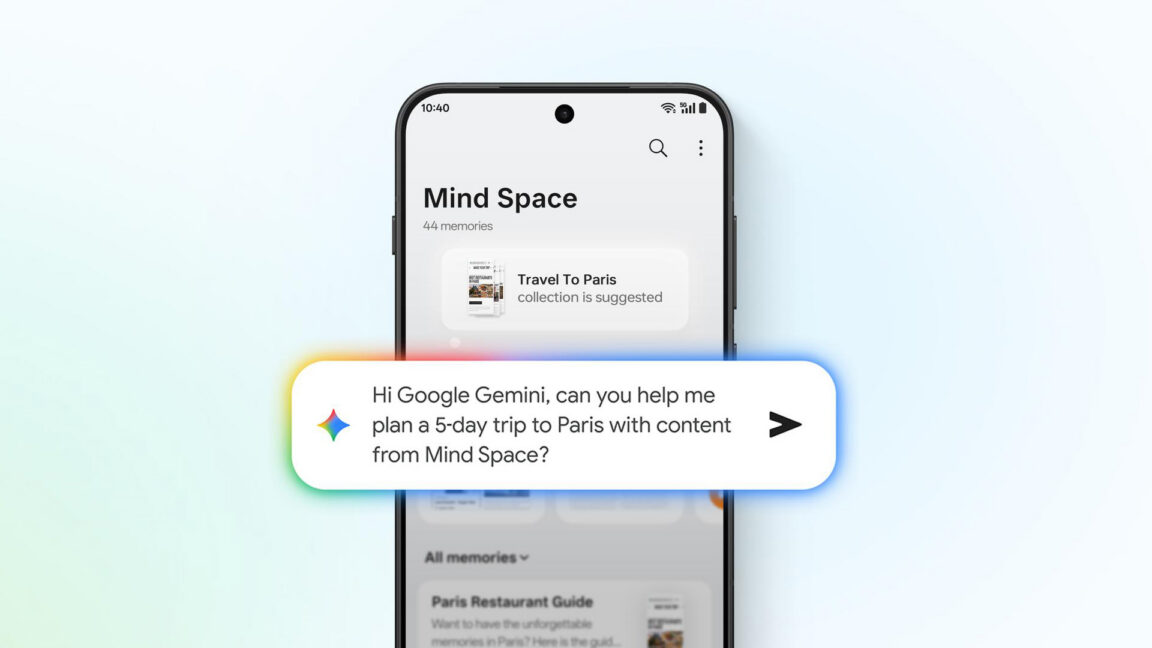
In an era where artificial intelligence is becoming increasingly ubiquitous, OnePlus's latest OxygenOS 16 update, featuring deep Gemini integration, marks a significant leap in the digital transformation of smartphones.
This development holds profound implications for employment, especially as AI continues to permeate various sectors. By weaving AI into everyday technology, companies like OnePlus are not only enhancing user experiences but also reshaping how individuals engage with their work and personal lives.
The introduction of AI-driven features such as Mind Space in OxygenOS 16 underscores a broader shift towards automation and intelligent personal assistance. Mind Space's capability to analyze screenshots and voice memos, generating actionable items like travel itineraries, exemplifies how AI can streamline routine tasks. This not only boosts productivity but also alters the landscape of administrative and support roles, which may see a shift towards more strategic functions as AI handles repetitive tasks.
Moreover, the addition of system-wide AI writing tools in the update aligns with a growing trend across major tech companies, where AI aids in tasks like proofreading and summarizing text. Such tools are poised to transform roles in content creation and communication, enabling workers to focus on more creative and analytical tasks. Indeed, this could lead to a reevaluation of skill sets required in these industries, emphasizing adaptability and AI literacy.
Nevertheless, as these technologies advance, concerns about job displacement arise. While AI can complement human work, it also raises the question of which roles may become redundant. Historically, technological shifts have led to both the displacement and creation of jobs, and the rise of AI in smartphones is no different. It is crucial for the workforce to anticipate these changes and prepare through reskilling and upskilling initiatives.
In the next 12 to 24 months, as OnePlus and similar companies continue to integrate AI into their products, workers will need to adapt to this evolving landscape. Employment sectors, particularly those that rely heavily on communication and information management, may see a gradual transformation. The demand for AI-savvy professionals is likely to grow, presenting opportunities for those equipped with the right skills.
Ultimately, the integration of AI in smartphones like the OnePlus 15 reflects a broader narrative of technological progress and its impact on work and society. As we navigate this new terrain, it is imperative to balance innovation with thoughtful consideration of its effects on employment.
Originally reported by Ars Technica.