Artificial intelligence is not merely a technological advancement; it is a catalyst for transformation within the marketing sector, fundamentally altering workforce dynamics and consumer engagement strategies. This evolution is especially pertinent as brands aim to connect with Gen Z and millennials, demographics that demand authenticity and personalization.
The integration of AI in marketing is reshaping employment landscapes. Companies are investing in AI tools to enhance personalization, as seen with GoFundMe's partnership with Sierra AI to streamline user experiences. This shift necessitates a reevaluation of traditional marketing roles, as employees must now navigate AI-driven platforms to effectively engage with younger audiences.
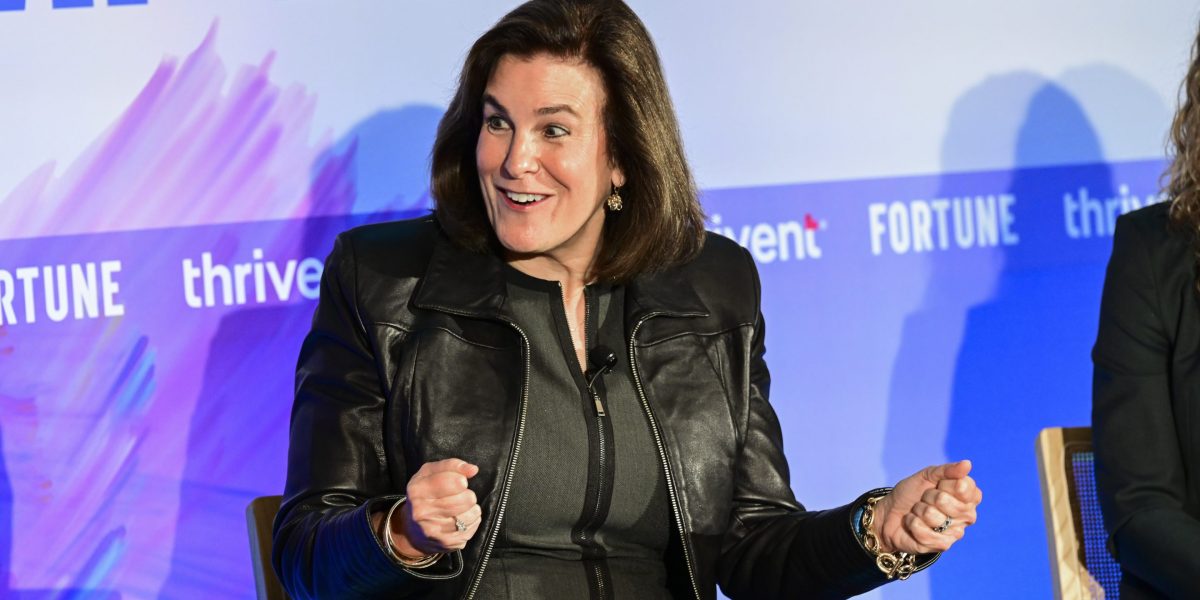
Indeed, the implementation of AI in marketing is a double-edged sword. While it offers unprecedented efficiency, it also requires a skilled workforce to guide these systems toward optimal performance. As Carolyn Sakstrup from Thrivent points out, AI can expedite processes but still requires human oversight to achieve excellence. This underscores the need for continuous learning and adaptation among marketing professionals.
Moreover, companies like Whole Foods are leveraging AI beyond digital marketing to enhance customer service within physical retail environments. This integration is part of a broader trend where AI is used to streamline operations and improve customer interactions, thus impacting employment by necessitating a workforce adept at both technological and interpersonal skills.
The broader implication of AI's role in marketing is its potential to redefine job roles. As AI tools become more sophisticated, the demand for roles focused on AI management and implementation will likely rise, creating new employment opportunities while simultaneously transforming existing ones.
In the next 12 to 24 months, the impact of AI on the marketing workforce will become more pronounced. Professionals will need to develop a deep understanding of AI technologies to remain competitive. The pressure to upskill will be intense, as companies seek to balance technological efficiency with human creativity in their marketing efforts.
Ultimately, AI is not just a tool but a transformative force in marketing, reshaping how brands connect with consumers and altering the workforce dynamics within the industry. As AI continues to evolve, so too will the jobs and skills required to harness its potential.
Originally reported by Fortune