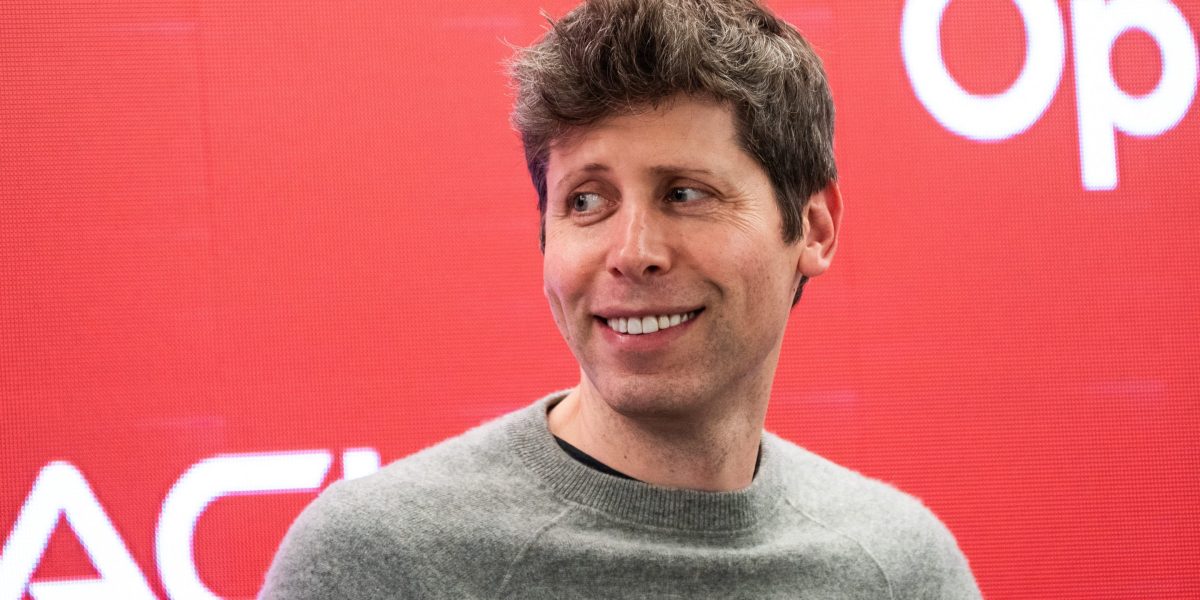
In the digital arena of artificial intelligence, a high-stakes contest is unfolding between OpenAI and Google, with profound implications for the future of work.
This battle is not merely about technological supremacy; it is a critical moment that could redefine employment landscapes across industries. As OpenAI's Sam Altman declares a 'Code Red' alert in response to Google's advancements in AI, the focus sharpens on how these developments could catalyze shifts in job structures, potentially displacing workers while creating new opportunities.
The fierce competition between these tech giants exemplifies the rapid evolution of AI capabilities, which has already transformed sectors like customer service, cybersecurity, and compliance. Pine AI, for instance, is leveraging agentic AI to revolutionize customer service applications, pointing to a future where AI's role in such sectors becomes indispensably integrated. Moreover, startups like Helmet Security and Alinia AI are pushing the envelope in AI communication security and compliance, respectively, highlighting the diverse applications and corresponding impacts on employment.
Indeed, the stakes are high as OpenAI seeks to maintain its first-mover advantage. Historical precedents, such as the Netscape vs. Microsoft saga, serve as cautionary tales of how early leads can swiftly dissolve. The challenge for OpenAI lies in sustaining innovation without succumbing to resource-rich competitors like Google, which is determined to position its Gemini AI model as a formidable contender to OpenAI's ChatGPT.
Meanwhile, as AI continues to permeate various industries, the demand for workers skilled in AI governance and security is likely to increase. This shift underscores the need for continuous upskilling and adaptation among the workforce, particularly in sectors susceptible to automation and AI-driven efficiencies.
Looking ahead, as the AI arms race intensifies, workers may find themselves navigating a landscape marked by both uncertainty and opportunity. The next 12 to 24 months will be pivotal, as companies recalibrate their workforce strategies to harness AI's potential while mitigating its disruptive effects on employment.
Ultimately, the outcome of this AI showdown between OpenAI and Google will not only shape the future of technology but will also echo through job markets worldwide, prompting a reevaluation of labor rights and worker adaptability in an increasingly automated world.
Originally reported by Fortune