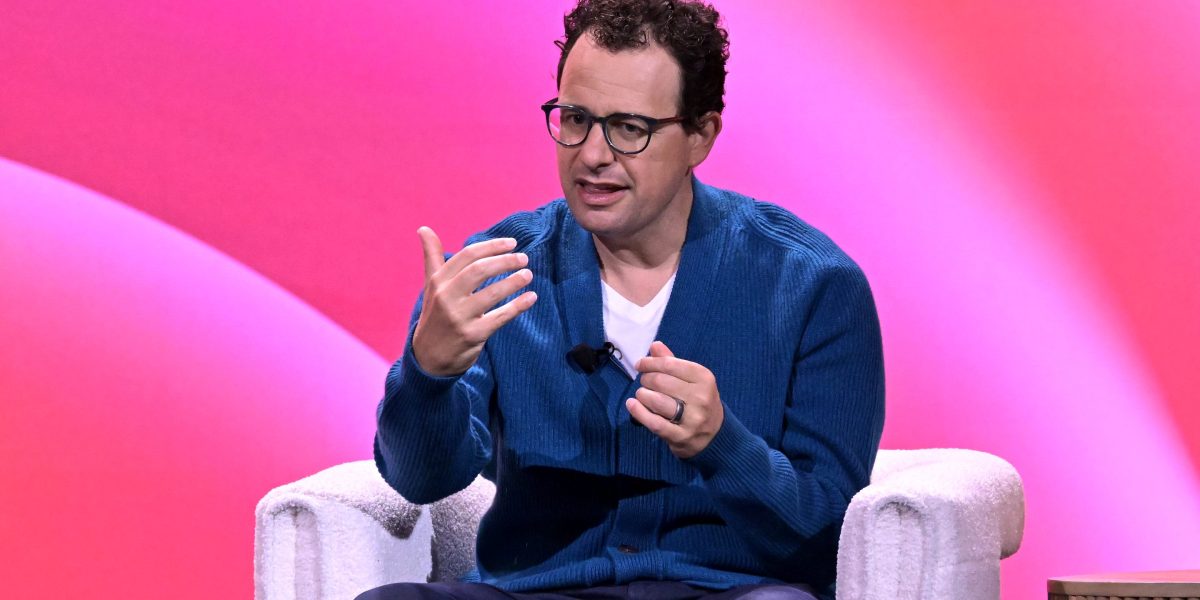
The AI industry's explosive growth has driven company valuations to unprecedented heights, but this rapid expansion raises significant questions about the sustainability of such growth.
In recent years, the tech sector has witnessed a dramatic surge in capital investment, particularly within artificial intelligence. Companies like Anthropic and OpenAI have seen their valuations skyrocket, reflecting a broader trend of AI startups capturing the attention of investors. While such growth suggests a thriving industry, it also poses substantial risks to employment and market stability.
The implications of this capital influx on the job market are profound. As AI companies expand, they are likely to reshape existing roles and create new ones, potentially leading to both job displacement and the emergence of new opportunities. The rapid pace of change, however, may leave some workers struggling to adapt to the evolving demands of the AI-driven workplace.
Moreover, the current investment climate bears resemblance to the dotcom boom of the late 1990s, where speculation and inflated valuations eventually led to market corrections. With AI companies raising multiple funding rounds in quick succession, there is a looming threat that some may not sustain their lofty valuations, leading to potential financial fallout and job losses.
Nevertheless, the promise of AI technology continues to entice investors, with companies like Reflection AI and Salesforce Ventures betting on the transformative potential of these innovations. This confidence underscores a belief in AI's ability to revolutionize industries, from healthcare to finance, by enhancing efficiencies and creating new business models.
Indeed, while concerns about a potential bubble persist, the AI sector's growth trajectory suggests an ongoing demand for skilled professionals who can navigate and leverage these technologies. In the next 12 to 24 months, we can expect a continued evolution of job roles, with an emphasis on skills that complement AI systems, such as data analysis, machine learning, and ethical AI governance.
As the industry matures, the challenge will be to balance innovation with sustainable growth, ensuring that the benefits of AI are widely distributed across the workforce. The future of employment in an AI-driven world hinges on the ability to manage these transitions thoughtfully and inclusively.
Originally reported by Fortune.