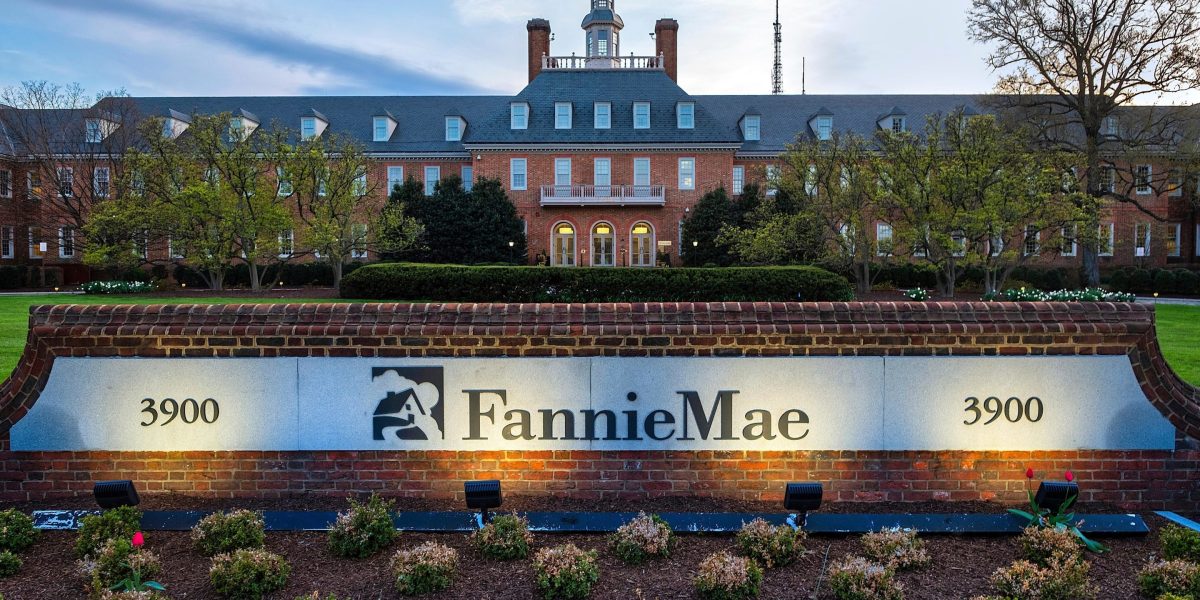
In a provocative twist on political advertising, an AI-generated version of Donald Trump's voice is now being used to lend weight to a new Fannie Mae ad campaign. This development is not just a technological novelty; it signals a broader shift in how AI is intersecting with employment and communication strategies across industries.
The use of AI to clone Trump's voice for the Fannie Mae advertisement highlights the evolving role of technology in political communication. As AI becomes more sophisticated, its ability to replicate human voices with precision raises questions about authenticity and trustworthiness in political messaging. This is particularly relevant in the current climate where the housing market is under intense scrutiny, and voters are increasingly concerned about affordability and access.
Moreover, the introduction of AI voice cloning in such a high-profile context underscores a significant transformation in the advertising sector. As companies and political campaigns increasingly leverage AI, the demand for traditional voice actors and related roles may decline. This trend reflects a broader pattern of automation reshaping employment landscapes across various sectors, from customer service to media production.
Indeed, the implications of AI-driven voice technology extend beyond immediate job displacement. The technology's ability to personalize and tailor messaging at scale could redefine marketing strategies, requiring new skills and roles focused on AI management and ethical oversight. Meanwhile, the juxtaposition of AI's potential with its ethical challenges, such as the authenticity of political ads, remains a pressing concern.
According to the announcement, the ad promises an "all new Fannie Mae" as a protector of the American Dream. This aligns with the administration's efforts to demonstrate responsiveness to public concerns about housing. The broader economic context cannot be ignored: Fannie Mae and Freddie Mac play a crucial role in the U.S. housing market by buying mortgages from banks, providing liquidity that sustains the sector.
For workers in the next 12-24 months, the increased adoption of AI in communication roles may necessitate a shift in skillsets. Professionals will need to adapt to new technologies, possibly transitioning towards AI oversight, content creation, and ethical evaluation roles. The labor market is thus poised to evolve, with AI not only transforming existing roles but also creating new opportunities in tech-driven sectors.
In conclusion, while AI voice cloning is a remarkable technological feat, its ramifications for employment are complex and multifaceted. As industries continue to integrate AI into their operations, the balance between innovation and ethical responsibility will be crucial. This development is a reminder that technology, while a powerful tool, must be wielded with consideration for its broader societal impacts.
Originally reported by Fortune.