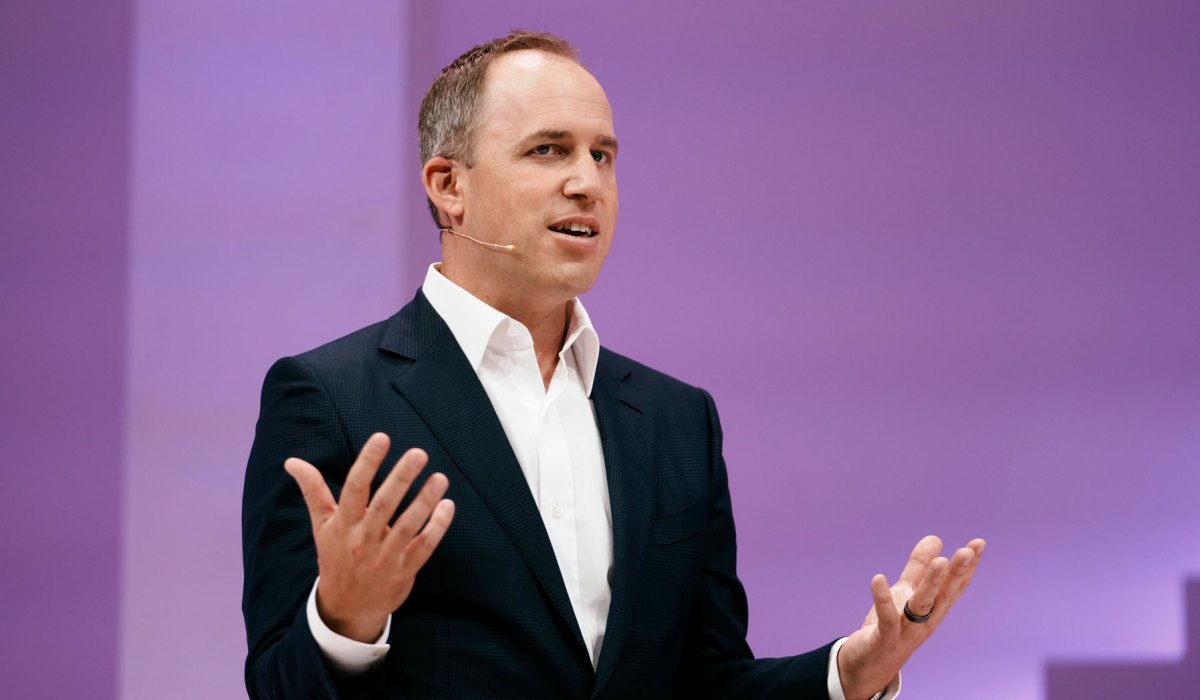
In a significant milestone for the burgeoning field of AI-driven customer service, Sierra, a startup co-founded by former Salesforce co-CEO Bret Taylor, has reached a $100 million annual revenue run rate in under two years. This rapid ascent underscores a pivotal shift in how businesses, both tech-savvy and traditional, are integrating AI to redefine customer interactions.
The significance of Sierra's achievement extends beyond mere financial success. It highlights a broader trend of AI adoption across industries that traditionally relied on human customer service agents. As companies like ADT, Bissell, and Cigna embrace AI agents, the implications for employment are profound. With AI capable of handling tasks from processing returns to mortgage applications, the roles of human agents are increasingly being reshaped.
Moreover, the competitive landscape is heating up. Sierra positions itself as a leader, competing with startups like Decagon and Intercom. The company's outcomes-based pricing model, which charges for completed tasks rather than flat fees, reflects a shift towards performance-centric business models that prioritize efficiency and measurable outcomes. This approach, while innovative, also prompts questions about the future of customer service jobs that could be displaced by such technologies.
Nevertheless, the transition is not without challenges. As AI systems become more sophisticated, the demand for jobs related to AI maintenance, oversight, and development is likely to rise. Yet, the immediate impact on traditional customer service roles cannot be ignored. Industry leaders, including those at Sierra, acknowledge the potential for disruption but also emphasize the enhanced customer experience and operational efficiency AI provides.
Indeed, Sierra’s valuation at a 100x revenue multiple, despite its nascent stage, indicates strong investor confidence in AI's future role in business operations. This confidence may spur further investment in AI technologies across sectors, accelerating the pace at which these technologies are integrated into everyday business functions.
Looking forward, the next 12 to 24 months could see a continued evolution in the customer service landscape. As AI becomes more entrenched, companies will need to navigate the balance between automation and human touch, potentially redefining job roles and creating new opportunities within the AI ecosystem. For workers, this means adapting to a rapidly changing environment where technological fluency becomes increasingly valuable.
Ultimately, Sierra's success paints a broader picture of AI's role in reshaping the workforce. It challenges traditional notions of employment, urging both businesses and workers to rethink their strategies in an era of digital transformation. Originally reported by TechCrunch.