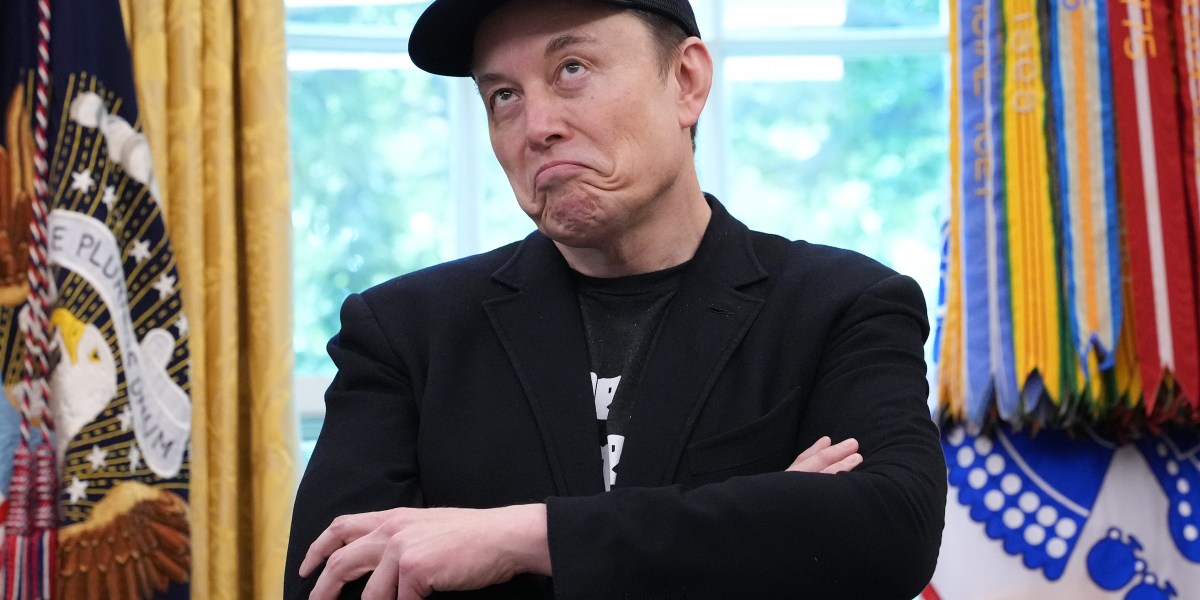
Elon Musk's recent prognostications about the future of work paint a radical picture of a world reshaped by artificial intelligence, where robots not only augment but potentially outnumber human surgeons within the next three years.
These predictions, articulated amidst a broader narrative of technological acceleration, underscore a pivotal moment for employment sectors worldwide. As Musk envisions advancements like Tesla Optimus robots overtaking medical fields, the implications for jobs and skills are profound. This paradigm shift highlights an urgent need to address how AI's integration into different sectors redefines both opportunities and challenges for the workforce.
The notion of robots performing complex surgeries is not merely a futuristic fantasy. It represents a tangible shift in the labor market, where automation extends beyond routine tasks to specialized professions. Moreover, Musk's assertion that retirement savings may become irrelevant suggests a future where economic structures, traditionally centered on labor income, could be fundamentally altered. As robots increasingly handle production, service, and even creative tasks at near-zero cost, the traditional economic model, which ties income to labor, could see a dramatic overhaul.
Moreover, Musk's vision extends to the realm of human longevity and artificial intelligence's role in potentially doubling lifespans. This perspective aligns with assertions from other industry leaders like Anthropic's CEO, Dario Amodei, who foresees AI-driven advancements in healthcare extending human lives. Such developments would necessitate new economic and social frameworks to support longer, potentially jobless lives, potentially revitalizing discussions around universal basic income as a viable policy.
In the context of AI's rapid progression, Musk's prediction of AI surpassing human intelligence by 2030 presents both an opportunity and a challenge. The potential for AI to alleviate menial tasks, as seen with tools like ChatGPT and Google Gemini, could free up human capital for more strategic roles. Yet, it also raises the specter of significant job displacement if the pace of technological adoption outstrips the ability of economies to create new roles or retrain displaced workers.
Looking forward, the next 12 to 24 months will likely be critical as industries grapple with these transformative changes. Workers and policymakers must navigate this landscape, balancing the benefits of increased efficiency and productivity with the socioeconomic impacts of a workforce in transition. Strategies that prioritize education and retraining, alongside thoughtful policy interventions, will be essential in preparing for an AI-driven future.
Elon Musk's provocative predictions compel a rethinking of traditional employment paradigms. As AI continues to advance, its integration into the workforce will not only redefine jobs but also challenge the economic and social structures that undergird society.
Originally reported by Fortune