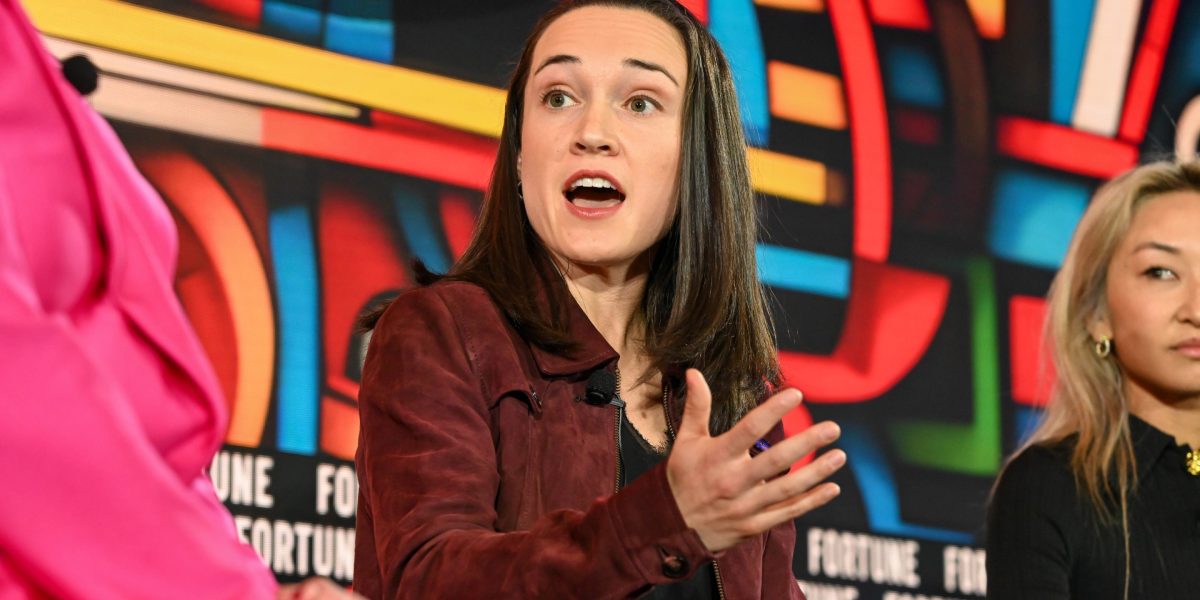
Leigh Marie Braswell, a partner at Kleiner Perkins, exemplifies the growing influence of artificial intelligence on venture capital and its ripple effects on employment. Her investments, particularly in AI-centric firms, reveal a strategic maneuvering akin to poker—a game she mastered during her tenure at Jane Street.
The implications of AI investments in the venture capital landscape are profound, signaling a shift in employment dynamics. As Braswell navigates this complex terrain, her strategic prowess is not just about financial gains but also about reshaping the workforce. By backing companies like Windsurf and Neon, which were later acquired by industry giants, Braswell underscores AI's transformative potential.
Moreover, the venture capital field itself is undergoing a metamorphosis. With Braswell's trajectory from Scale AI to Kleiner Perkins, there's a clear gravitation towards sectors driven by AI innovation. This move reflects a broader trend where funding flows towards technological advancements that promise to redefine industries. In 2025, her investments were pivotal, with significant exits illustrating the economic weight AI holds in shaping future employment sectors.
Indeed, Braswell doesn't see herself purely as an AI investor; however, her networks within the AI sphere provide her with unique insights and opportunities. This duality—being a generalist yet deeply embedded in AI—illustrates a convergence of technology and employment. As AI continues to evolve, roles within venture capital will likely require an intimate understanding of technological trends and their economic ramifications.
For the workforce, the next 12 to 24 months promise a period of adaptation. As companies like those in Braswell's portfolio expand, new job roles will likely emerge, emphasizing skills in AI development and application. However, this also means that traditional roles may face obsolescence or transformation.
Ultimately, Braswell's investment strategy is a testament to the calculated risks and opportunities inherent in AI's intersection with employment. Just as in poker, knowing when to "push your chips to the center" is crucial, emphasizing preparedness in a rapidly changing job market.
Originally reported by Fortune.