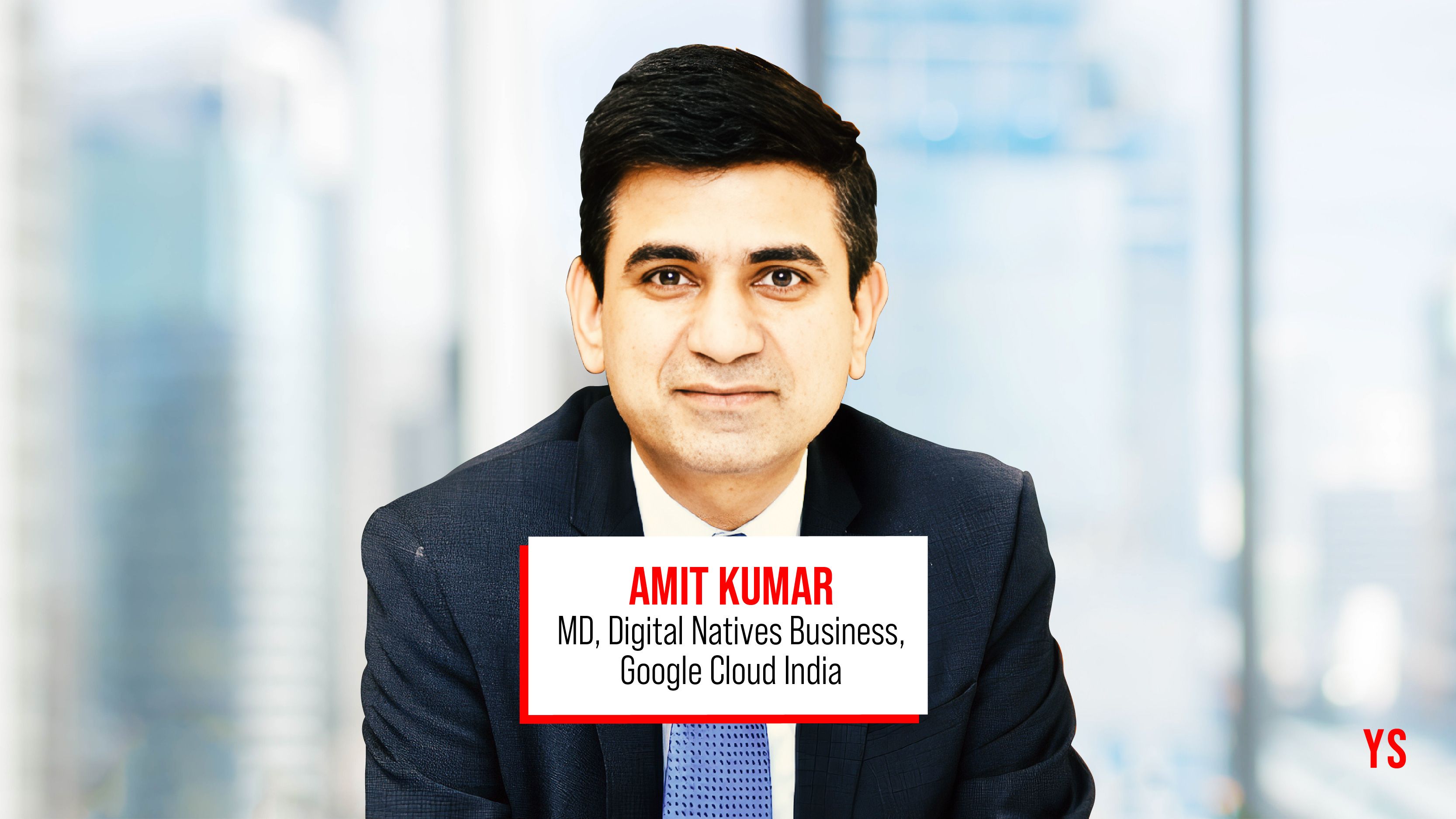
As artificial intelligence moves from theoretical debates to practical applications, the global workforce is witnessing a seismic shift. Amit Kumar of Google highlights this transformation, noting that the focus has moved beyond model capabilities to tangible enterprise value.
The implications for employment are profound. As AI democratizes software development, traditional pathways into engineering roles are evolving. No longer is a formal degree the sole entry ticket; a mindset embracing curiosity and hands-on experimentation is increasingly valuable. This shift is particularly significant in India, which is rapidly becoming a proving ground for AI-driven innovation.
The impact on employment is multifaceted. On one hand, AI's integration into sectors like e-commerce, banking, and manufacturing is enhancing productivity and creating new opportunities. Companies like Meesho and Flipkart are not only improving customer experiences with AI but also driving innovation in internal processes. Meanwhile, media platforms such as Pocket FM are leveraging AI for content creation, signaling a broader trend of AI's influence across industries.
Moreover, the rise of agentic workflows—systems that integrate AI deeply into business operations—necessitates a rethinking of internal architectures. This has implications for job roles, as employees must adapt to new ways of working that prioritize AI integration while maintaining data security and governance.
The discussion around data sovereignty and AI regulation further underscores the changing landscape. As companies like Google navigate these challenges, they offer flexibility through choices in hardware and AI models, ensuring enterprises can build sovereign AI stacks while remaining adaptable to changing regulatory environments.
In the next 12 to 24 months, workers can expect both challenges and opportunities. The demand for skills in managing AI-driven systems will grow, and those able to navigate this new environment will find themselves at the forefront of innovation. However, the transition may also lead to displacement for those unable to adapt, emphasizing the need for continuous learning and flexibility.
Ultimately, the evolution of AI from a technological curiosity to a core component of business strategy is reshaping the global workforce. As Kumar aptly notes, "Engineering is not a degree anymore. It’s a mindset," capturing the essence of a world where adaptability and innovation reign supreme.
Originally reported by YourStory