Artificial intelligence is not merely reshaping the corporate landscape but is fundamentally altering the fabric of employment, compelling both organizations and employees to adapt in unprecedented ways.
This transformation is particularly crucial now, as the adoption of AI technologies accelerates across industries, promising enhanced efficiencies while simultaneously threatening traditional job roles. As companies integrate agentic AI into their operations, the stakes for workers—both in terms of job displacement and the evolution of new roles—have never been higher.
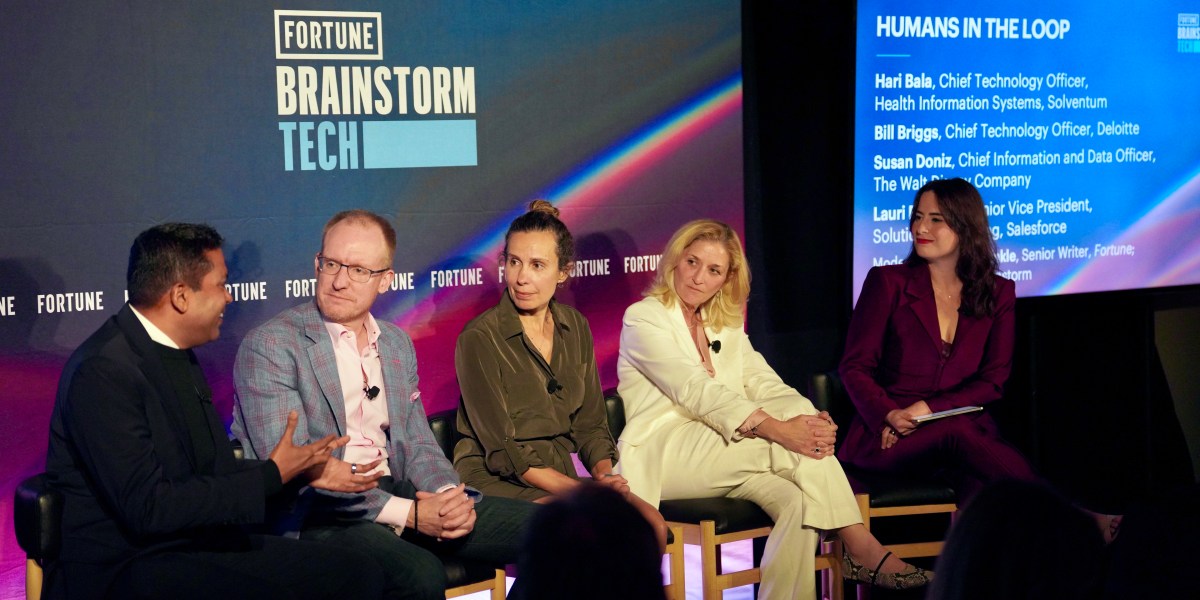
The recent discussions at the Fortune Brainstorm Tech dinner during CES 2026 in Las Vegas spotlighted the complexities of managing AI-driven change. Bill Briggs, Deloitte's CTO, emphasized the challenges inherent in applying AI, warning against the temptation to merely tweak existing processes. "What we've found with AI is, that's a trap," he cautioned, underscoring the need for a fundamental re-evaluation of desired outcomes and strategies.
Moreover, as companies like Solventum, represented by Hari Bala, explore AI in healthcare, the imperative for robust systems that account for potential failures grows. Bala's focus on "kill switches" and audit capabilities highlights a critical aspect of AI deployment—ensuring systems are resilient and transparent, preventing small issues from escalating into major disruptions.
Indeed, as Lauri Palmieri from Salesforce pointed out, the risk of technological sprawl looms large. Her reflection on past experiences with service-oriented architecture and microservices serves as a poignant reminder of the pitfalls of unchecked technological expansion, where complexity can spiral into chaos if not managed effectively.
Yet, amidst these challenges, there is a call for bold leadership to steer the course. Palmieri advocates for decisive leadership that can drive AI initiatives forward, while Disney's Susan Doniz stresses the importance of data as foundational to successful AI integration. "The data is the fuel and the foundation," she stated, pointing to the necessity of well-orchestrated data systems.
As organizations navigate these turbulent waters, the next 12 to 24 months will be pivotal. Workers must prepare for shifts in job roles, with some positions being transformed by the infusion of AI, while others may face obsolescence. However, this period also offers opportunities for the creation of new roles tailored to harness AI's potential, demanding a workforce that is adaptable and continuously learning.
In conclusion, the path forward lies in a balanced approach, embracing AI's potential while safeguarding against its risks. As we stand on the brink of this technological revolution, the decisions made today will reverberate across the workforce of tomorrow, shaping not only how we work but the very nature of work itself.
Originally reported by Fortune