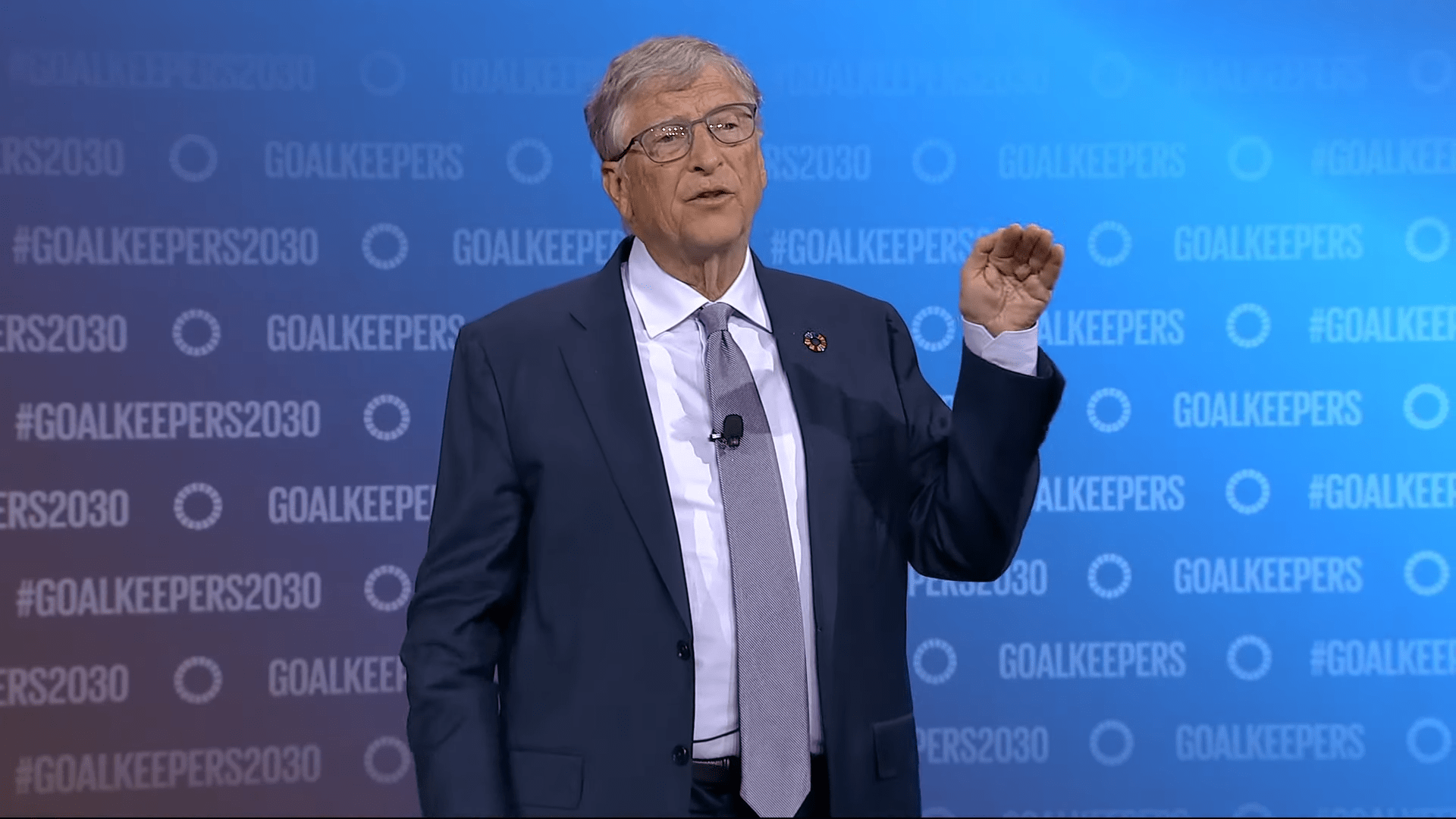
In a clarion call that resonates with urgency, Microsoft co-founder Bill Gates has thrust the potential perils of artificial intelligence into the spotlight, challenging the tech industry to confront the consequences of its innovations. Gates warns that AI, often hailed as a technological marvel, also harbors dangers that could reshape the global employment landscape in profound ways.
The stakes are high as AI technologies, surpassing human cognition at an unprecedented pace, threaten to upend job markets worldwide. The specter of permanent job losses looms large, particularly in entry-level and mid-level positions, as AI-driven automation gains traction. Gates highlights this as a seminal moment, one distinct from past technological shifts that eventually created more jobs than they destroyed. This time, he argues, the rapid adoption of AI across industries could outpace society's ability to adapt.
Moreover, Gates underscores the need for a paradigm shift in how society prepares for the AI age. Unlike the gradual integration of personal computers, AI technologies are rapidly embedding themselves into the fabric of everyday life, adapting seamlessly to human needs. This swift evolution, Gates contends, is unlike anything witnessed before, posing a unique set of challenges for employment.
Indeed, the impact of AI extends beyond the job market, with potential ramifications for cybersecurity and public safety. Gates warns that AI's dual-use nature could facilitate the development of bioweapons, making them accessible to small groups with malicious intent. This underscores the urgency for comprehensive oversight mechanisms to manage AI's capabilities responsibly.
Meanwhile, the psychological and social dimensions of AI's rise cannot be overlooked. As AI companions become more prevalent, the risk of addiction grows, particularly among younger generations. Gates cites studies from Stanford and Carnegie Mellon that link intense AI interactions to deteriorating emotional well-being, highlighting the need for critical thinking skills in an era of deepfakes and misinformation.
Looking ahead, the next 12 to 24 months are critical for workers navigating this transformative landscape. Gates advocates for robust international governance frameworks akin to those for nuclear weapons or environmental protection. He also proposes a token tax on AI usage to fund initiatives that support employment transitions and preserve human-centric roles in caregiving sectors.
In an era where AI's potential and pitfalls are inextricably linked, Gates's call for action serves as both a warning and a roadmap. The challenge lies in harnessing AI's promise while mitigating its risks, ensuring that the future of work remains inclusive and equitable.
Originally reported by The Decoder.