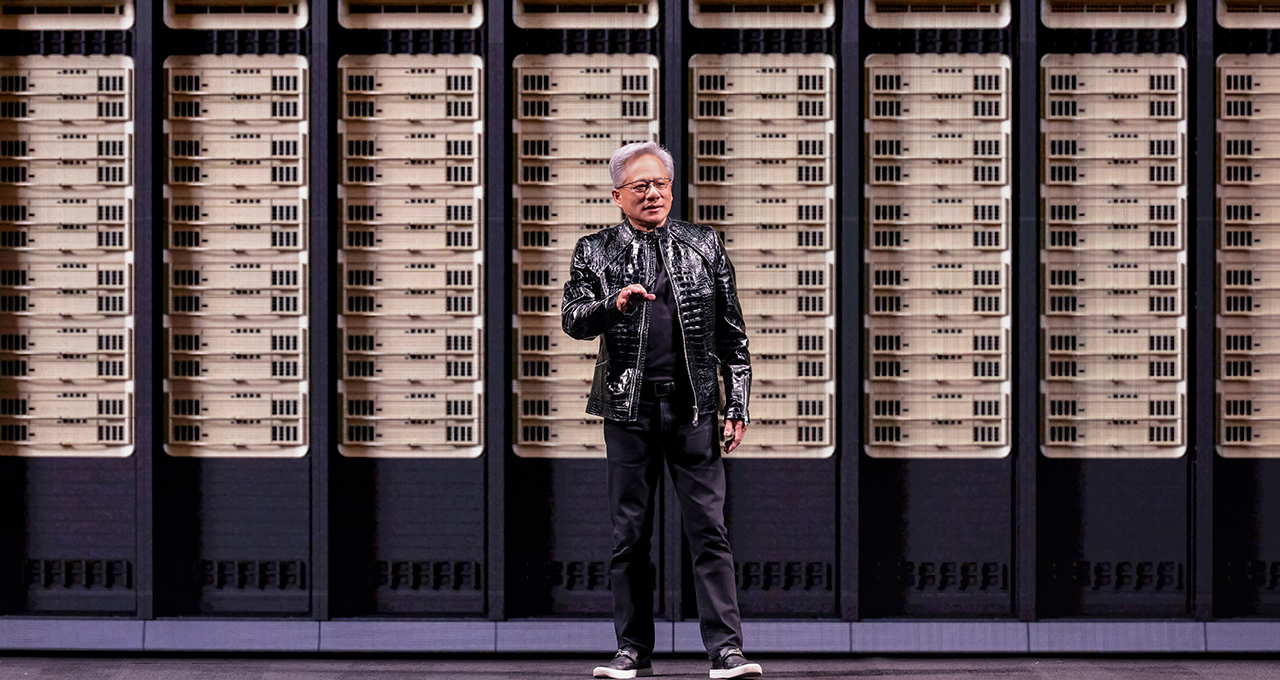
As NVIDIA unveils its groundbreaking Rubin platform at CES 2026, the implications for the global workforce loom large. This new AI architecture, designed to elevate computing capabilities across various industries, signals a pivotal shift in how labor markets might evolve in the face of rapid technological advancement.
The introduction of such a sophisticated platform matters now more than ever as industries grapple with the dual challenges of integrating AI into existing frameworks and addressing the potential displacement of workers. The Rubin platform's ability to render AI more economically viable could accelerate its adoption, impacting sectors from healthcare to autonomous driving.
Indeed, the Rubin platform, with its extreme-codesigned architecture, is poised to redefine the economics of AI deployment. By reducing the cost of generating AI tokens to a fraction of previous expenses, NVIDIA is not only pushing technological boundaries but also reshaping the financial landscape of AI investment. This economic shift is likely to encourage companies to expand their AI capabilities, potentially altering the employment landscape as automation becomes more integrated into daily operations.
Moreover, NVIDIA's open models, developed on its supercomputers, are set to power innovations across various domains. This democratization of AI tools allows companies and countries to partake in the AI revolution, fostering a competitive environment where the demand for AI-skilled labor could surge. As the barrier to entry lowers, industries may experience a transformation in workforce requirements, necessitating a pivot towards roles that support and enhance AI technologies.
The employment effects of NVIDIA's advancements could manifest in several ways. For instance, while some traditional roles might face obsolescence, new opportunities could arise in AI development, deployment, and maintenance. As AI continues to permeate industries, the demand for skilled professionals capable of navigating this new landscape will likely increase, prompting educational institutions and training programs to adapt accordingly.
Looking ahead, the next 12 to 24 months could see a significant shift in workforce dynamics as industries adjust to these technological advancements. Workers may need to rapidly upskill or reskill to remain competitive in an increasingly AI-driven job market. The challenge will be balancing the pace of technological adoption with the availability of adequately trained personnel.
In conclusion, as NVIDIA's Rubin platform and open models usher in a new era of AI capability, the global workforce stands on the brink of profound change. The promise of enhanced productivity and innovation brings with it the necessity for strategic planning and adaptation in labor markets worldwide. Originally reported by blogs.nvidia.com.