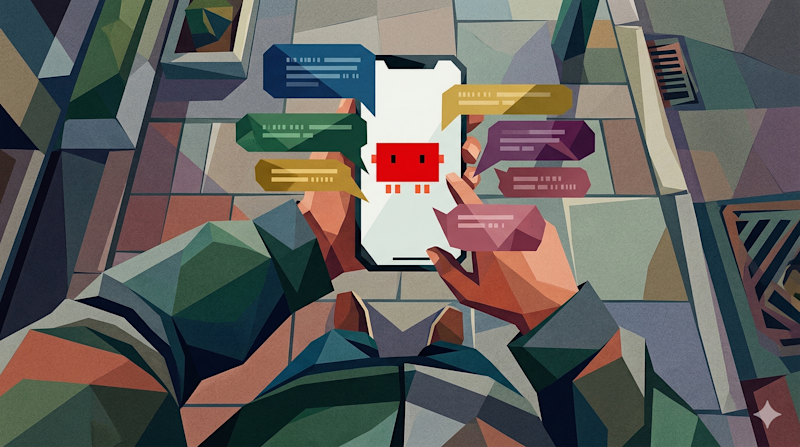
Anthropic's recent launch of Claude Code Channels, an innovative integration with messaging apps like Telegram and Discord, is poised to redefine how developers interact with AI and execute their tasks.
In a world increasingly reliant on digital tools, the ability to seamlessly communicate with AI systems outside traditional interfaces marks a significant shift for the workforce. This development not only enhances productivity but also raises questions about the evolving nature of technical roles.
Claude Code Channels allows developers to engage with AI in a manner that is both autonomous and asynchronous, moving beyond the conventional "ask-and-wait" model. Previously, interactions with Claude Code were limited to desktop applications or specific developer environments, but now, users can send messages and receive task updates directly through widely-used messaging platforms. This shift is emblematic of broader trends in workplace automation, where instant communication and task execution are increasingly becoming the norm.
Moreover, the introduction of the Model Context Protocol (MCP) by Anthropic, which acts as a universal connector for AI models, underscores the growing importance of interoperability in AI technology. This protocol enables Claude Code to perform tasks such as writing code, running tests, or fixing bugs, and communicate results back to users in real-time. Such advancements not only streamline the development process but also empower developers to focus on more complex problem-solving tasks, thereby enhancing their roles.
Indeed, while automation might appear to threaten certain job functions, the integration of AI through platforms like Claude Code Channels can lead to a transformation of roles rather than outright displacement. As developers become more adept at leveraging these tools, their responsibilities are likely to shift towards overseeing AI-driven processes and ensuring the quality of outputs, thereby elevating their strategic importance within organizations.
The implications for the next 12 to 24 months are profound, as organizations will need to adapt to these technological advancements by reskilling their workforce. As AI continues to permeate various sectors, the demand for professionals who can harness these tools effectively will likely increase, potentially leading to the emergence of new roles centered around AI management and integration.
Originally reported by VentureBeat