In the relentless race towards technological advancement, AI stands both as a boon and a bane for the modern workforce. Fortune 500 CEOs, however, caution against the illusion that AI will ease the grind.
As the digital landscape reshapes industries, the promise of AI to alleviate mundane tasks and enhance productivity is juxtaposed with an emerging work culture that blurs personal and professional boundaries. This is particularly resonant among Generation Z, who, according to Randstad, prioritize work-life balance more than any previous generation, now ranking it above pay considerations.
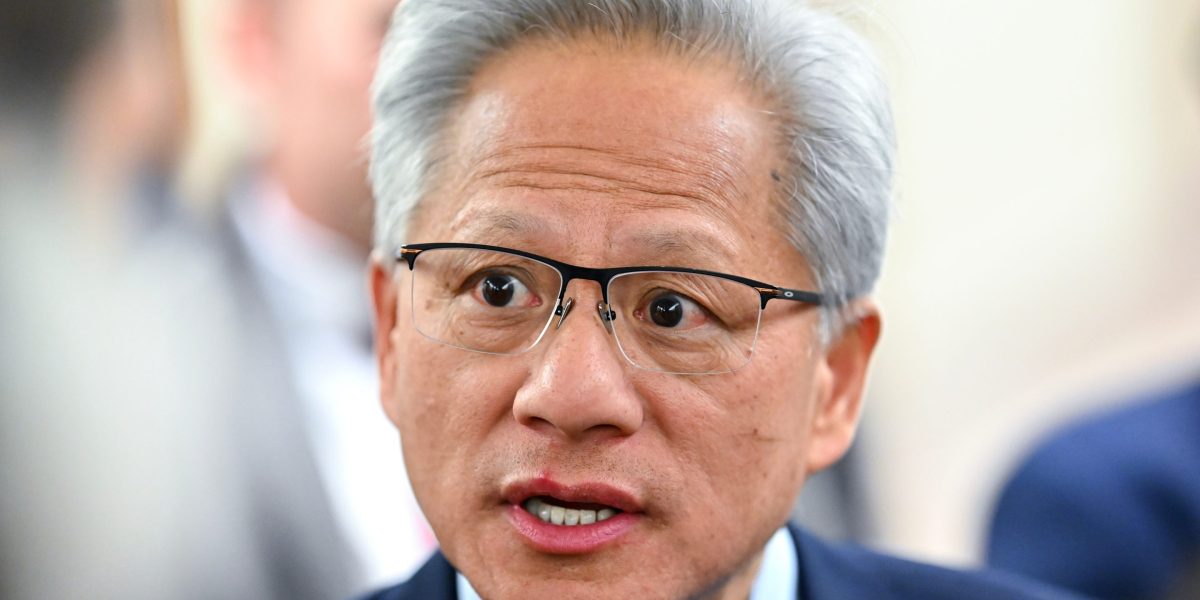
Nevertheless, despite AI's potential to streamline operations, executive leaders are exemplifying a culture of ceaseless labor. Nvidia's CEO, Jensen Huang, epitomizes this ethos by working continuously, driven by the pressures of the AI competition and a perpetual sense of vulnerability. His lifestyle, echoed by his children who also work at Nvidia, underscores a commitment where professional dedication eclipses leisure.
Meanwhile, Zoom's CEO, Eric Yuan, candidly acknowledges the symbiosis of work and life, a reflection of the challenges in maintaining equilibrium as his company scales. Yuan's perspective, shared during the Grit podcast, reveals a personal narrative where the concept of balance is deemed unattainable, relegating personal hobbies in favor of corporate success.
Indeed, the impact of AI extends beyond the tech sector. Thasunda Brown Duckett, CEO of TIAA, critiques the notion of work-life balance as a deceptive ideal, advocating instead for a strategic allocation of personal resources akin to managing a diversified portfolio. This view aligns with Palantir's Alex Karp, who advises young professionals to forgo early social engagements in pursuit of career achievements.
Looking ahead, as AI continues to evolve, the expectation from workers may not align with the practices set by these industry leaders. The next 12 to 24 months will likely witness an intensification of these trends, with workers navigating the complexities of a tech-driven labor market that demands not just skill but unwavering commitment.
In summary, while AI promises efficiencies and potential work-life balance, the prevailing narrative from top executives underscores a differing reality—one where success is intertwined with unwavering dedication. Originally reported by Fortune.