In an era where artificial intelligence (AI) is becoming increasingly integrated into business operations, CEOs are making a compelling case for its transformative impact, while also dispelling concerns of an AI bubble. As AI technologies continue to evolve, their influence on employment and the workforce is profound and multifaceted.
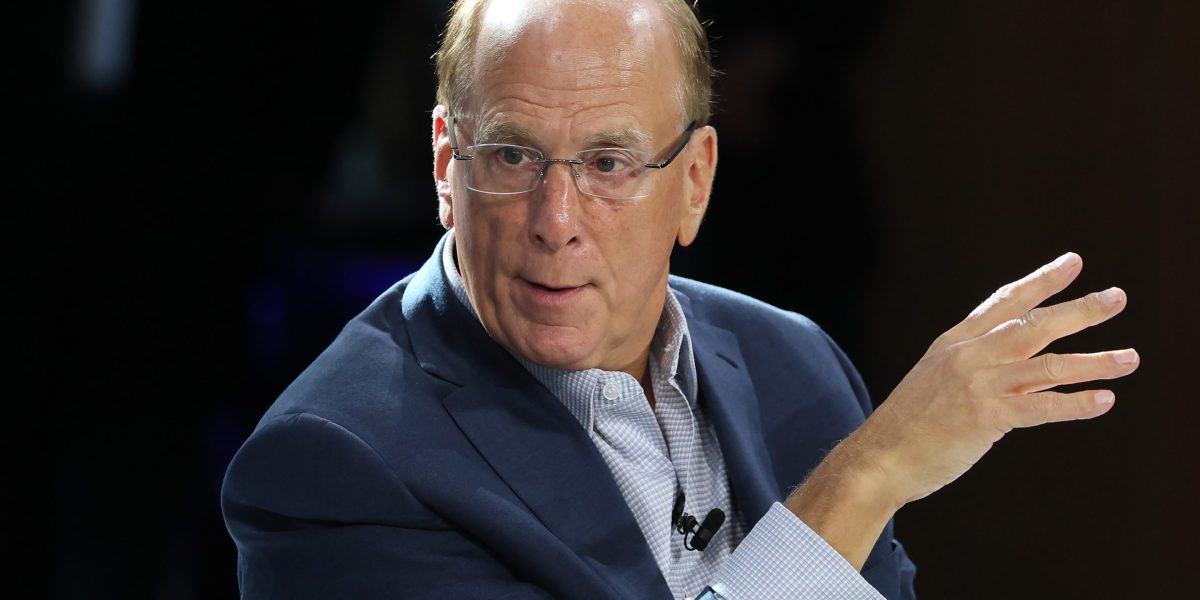
The importance of AI in reshaping employment landscapes cannot be overstated. With BlackRock CEO Larry Fink highlighting scenarios where revenue growth outpaces headcount, it's clear that AI is facilitating efficiency and scaling innovation. This trend requires a recalibration of workforce strategies, as companies strive to balance technological adoption with potential job displacement concerns.
Moreover, the narrative around AI bubbles is being countered by industry leaders who emphasize the tangible benefits AI brings to businesses. Anthropic CEO Dario Amodei underscores the societal shifts and job losses that AI might entail, while also recognizing the opportunities for growth and innovation. Indeed, AI is not merely a technological advancement; it is a catalyst for new job roles and industries that did not exist a decade ago.
Nevertheless, the integration of AI in business strategies is not without challenges. IBM CEO Arvind Krishna's skepticism about the profitability of AI data centers points to the financial and operational hurdles companies must navigate. Despite these challenges, the potential for AI to streamline operations and drive economic growth remains significant.
Furthermore, the conversation at the New York Times DealBook Summit reflects a broader acceptance of AI as part of the business norm. As companies like Amazon and Google continue to invest heavily in AI, the pressure is on for other firms to adapt or risk obsolescence. This evolving landscape necessitates strategic workforce planning to ensure that employees are equipped with the skills needed to thrive in an AI-enhanced economy.
Looking ahead, the next 12 to 24 months will be critical in determining how AI will reshape employment. While some roles may be displaced or automated, others will be transformed or newly created. The onus is on businesses to invest in reskilling initiatives and to embrace a future where AI and human labor coexist in synergy.
Ultimately, as AI continues to redefine industries, the workforce must adapt to these changes with agility and foresight. The discussions at the summit highlight the urgency for leaders to embrace AI not as a threat, but as an opportunity to innovate and grow.
Originally reported by Fortune