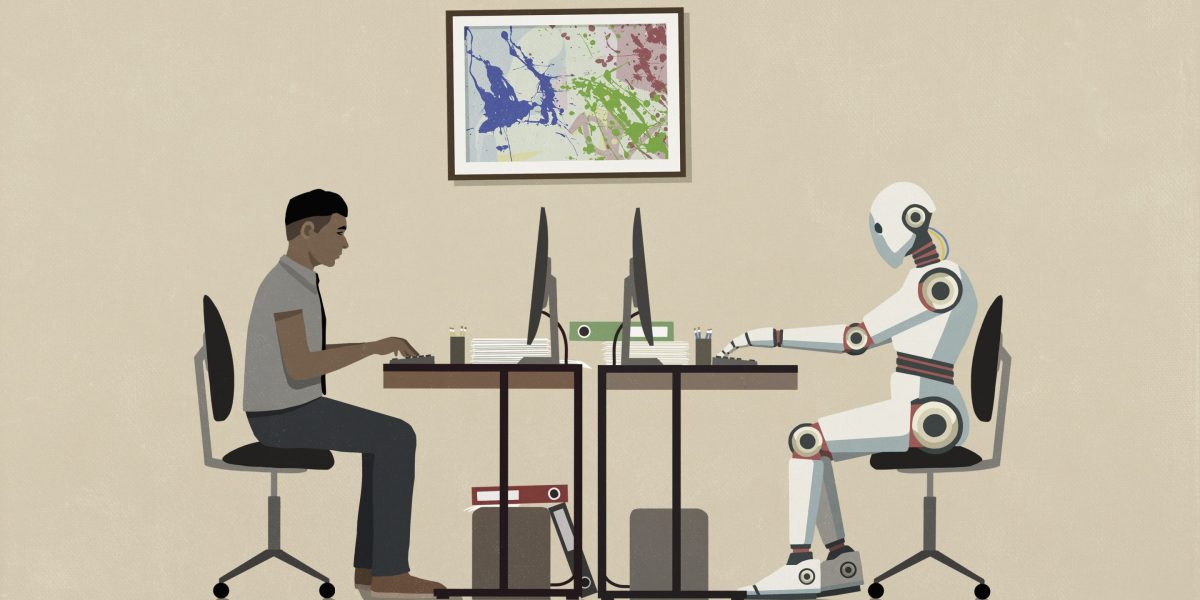
Despite the looming specter of AI-induced job obsolescence, recent research suggests that the feared employment apocalypse has not yet materialized.
While technology enthusiasts and critics alike have speculated about AI's transformative potential, new data from researchers at Yale's Budget Lab and the Brookings Institution indicates that the U.S. labor market remains relatively stable. This matters now more than ever, as companies navigate economic uncertainties and workers grapple with changing skill demands.
Indeed, the study highlights how the occupational landscape in the U.S. has evolved without the dramatic disruptions some had anticipated. The researchers found that shifts in job types, which began prior to the advent of AI tools like OpenAI’s ChatGPT, continue at a pace consistent with historical trends. "While the occupational mix is changing more quickly than it has in the past, it is not a large difference and predates the widespread introduction of AI in the workforce," the report elaborates.
Moreover, industries heavily exposed to AI, such as Information and Financial Activities, have seen some shifts in employment patterns. However, these changes are largely continuations of trends that started before AI's recent advancements. This suggests that, while AI may influence future job dynamics, its current impact has been overstated by some commentators.
Nevertheless, the entry-level job market presents a more nuanced picture. Recent graduates face challenges, not solely attributable to AI, as they experience slightly higher jobless rates compared to more seasoned workers. This disparity could be attributed to broader labor market dynamics rather than immediate AI effects. Companies like Shopify and Cloudflare, however, show signs of optimism by increasing intern intake, viewing AI tools as enhancers rather than replacements.
Looking forward, the implications for workers over the next 12 to 24 months include a continued emphasis on adaptability and skill development. As AI tools become more integrated into workflows, employees may need to pivot towards roles that leverage human creativity and problem-solving, areas where AI currently lags.
Ultimately, while AI has not yet disrupted the job market to the extent feared, its influence is undeniable, and careful observation will be required to navigate its evolving impact on employment.
Originally reported by Fortune