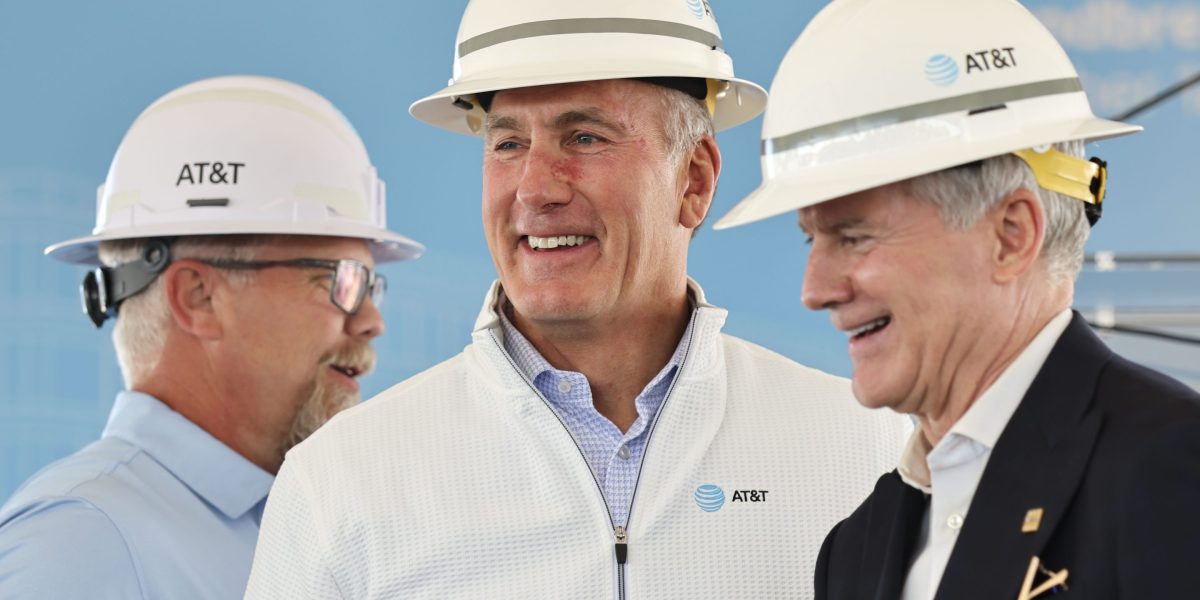
The rapid expansion of data centers across the United States, fueled by the burgeoning demand for AI infrastructure, has created an urgent need for skilled workers in the telecommunications industry. AT&T CEO John Stankey highlights this growing challenge, as the industry braces for a deficit of nearly 200,000 construction and technician workers by 2032.
The significance of this workforce shortage is profound. As AI technologies become increasingly foundational, the ability to build and maintain the necessary infrastructure will be crucial. This shortage presents both a challenge and an opportunity, particularly for younger generations seeking alternatives to traditional four-year degrees.
Moreover, the demand for AI infrastructure is not isolated to telecommunications. The construction of data centers is straining the supply of skilled tradespeople, from electricians to HVAC technicians, highlighting a broader issue across various sectors. Companies like Meta and Google, alongside AT&T, are part of a coalition aiming to address these skilled labor shortages, as detailed in a report estimating a need for 1.7 million skilled trades openings annually through 2035.
Indeed, the traditional college-to-career pipeline is under scrutiny. With the rise of AI-driven industries, roles such as fiber technicians and telecommunications installers, which offer paid training and competitive salaries, emerge as viable career paths for Gen Z. According to the U.S. Bureau of Labor Statistics, the median salary for these positions is approximately $70,000, with the potential to reach six figures.
John Stankey emphasizes the need to destigmatize skilled labor careers, advocating for societal respect for roles outside the traditional white-collar framework. As companies invest in training and recruitment, this shift could redefine career trajectories for many young people. AT&T's recent hiring surge, bringing in 10,000 workers since 2023, exemplifies the industry's proactive stance in addressing this shortage.
Looking ahead, the next 12 to 24 months will be pivotal. As AI technologies continue to advance, the demand for skilled telecom workers will likely intensify, necessitating further investment in training and education. The industry's ability to adapt will be crucial in sustaining economic growth and technological innovation.
In conclusion, the AI-driven data center boom is reshaping the labor market, creating new opportunities and challenges. As the telecommunications industry navigates this landscape, the need for skilled workers will remain a pressing concern, echoing the urgency of Stankey's message.
Originally reported by Fortune.