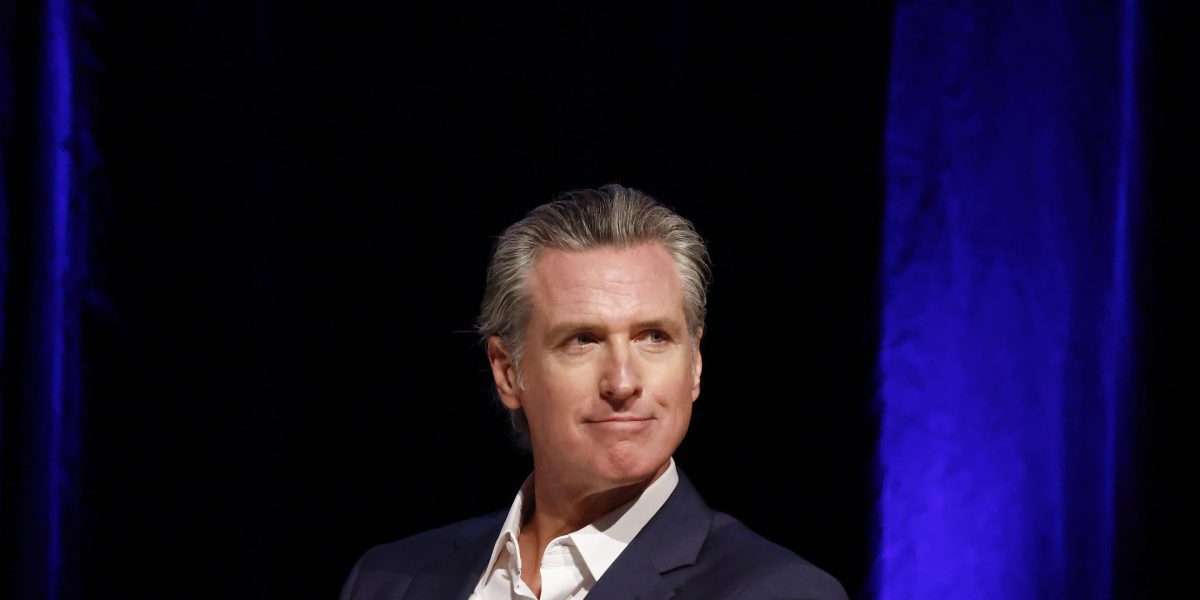
California's recent enactment of a landmark AI safety law, signed by Governor Gavin Newsom, represents a pivotal moment for the technology workforce in Silicon Valley and beyond. This legislation, which mandates major AI companies to disclose their safety protocols and extend protections to whistleblowers, could redefine employment landscapes in the tech industry.
The implications for employment are substantial. As AI companies like OpenAI, Meta, Google DeepMind, and Anthropic adjust to comply with these new regulations, the demand for transparency and accountability in AI development will likely reshape job roles within these organizations. Employees may find themselves at the forefront of implementing and overseeing the safety measures required by the law.
Moreover, the law’s focus on transparency rather than liability suggests a shift in how tech workers might engage with AI ethics. By requiring companies to report safety incidents and protect whistleblowers, the law empowers employees to voice concerns without fear of retaliation. This could foster a more open culture within companies, encouraging workers to actively participate in ethical discussions and decision-making processes.
Indeed, State Senator Scott Wiener, who authored the law, emphasized its focus on balancing innovation with public safety. "SB 53’s passage marks a notable win for California and the AI industry as a whole," said Sunny Gandhi, VP of political affairs at Encode AI. The legislation's balanced approach aims to ensure that startups and innovators aren't disproportionately burdened, while larger developers face appropriate oversight.
The tech industry's response to the legislation has been mixed. While companies like Anthropic and Meta have expressed support, others warn of potential risks to innovation and competitiveness. Collin McCune of Andreessen Horowitz cautioned that the law might squeeze out startups, potentially leading to a concentration of power among established players. This could have significant employment implications, as smaller firms struggle to navigate the regulatory landscape.
Nevertheless, the California legislation sets a precedent that could influence AI regulation globally, given that 32 of the world's top 50 AI companies are based in the state. As these companies adapt to the new requirements, workers may see their roles transformed, with increased responsibilities in compliance and ethical AI deployment.
Looking ahead, the next 12 to 24 months will be crucial for tech workers in California. The implementation of SB 53 could lead to the creation of new roles focused on AI safety and compliance. Additionally, workers may need to develop new skills to navigate the evolving regulatory environment, ensuring that their companies remain competitive while adhering to state and potential federal standards.
As the dust settles, this legislation could become a model for other states and nations, shaping the future of AI employment. The balance it seeks to strike between innovation and public safety echoes broader trends in the global workforce, where technological advancement must align with ethical and regulatory standards.
Originally reported by Fortune