In the ever-evolving landscape of artificial intelligence, Google's recent unveiling of its Private AI Compute represents a significant leap forward, with profound implications for the future of employment.
In an era where data privacy and processing power are paramount, Google's new cloud-based service promises to harness the potential of AI without compromising user privacy. This innovation comes at a critical juncture as companies worldwide grapple with the dual challenge of integrating AI into their operations while safeguarding sensitive information.
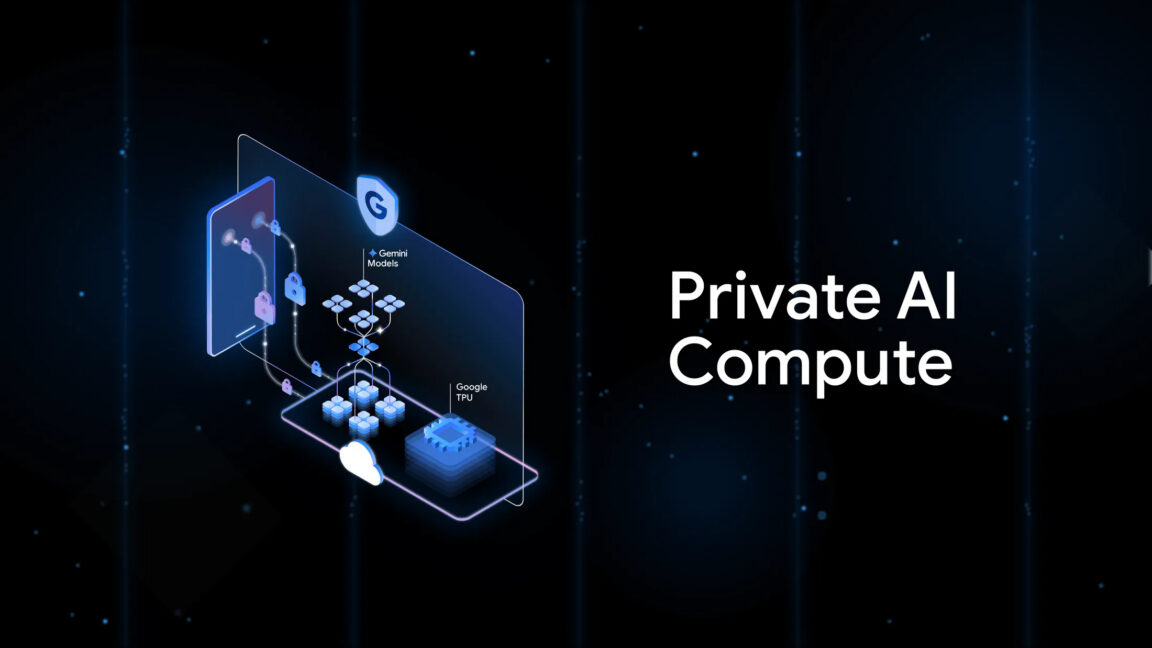
The introduction of Google's Private AI Compute is poised to transform the technological infrastructure of businesses, allowing for enhanced AI capabilities through secure cloud environments. By utilizing Tensor Processing Units (TPUs) with integrated secure elements, Google aims to provide a seamless and secure data processing experience. This enhancement not only facilitates the deployment of sophisticated AI models but also promises to revolutionize sectors reliant on data-intensive operations.
Indeed, the economic implications of such technological advancements are far-reaching. As companies increasingly rely on AI to drive efficiency, the demand for skilled workers capable of managing and optimizing these systems is set to rise. Moreover, the shift towards cloud-based AI solutions may lead to the emergence of new job categories, particularly in cloud computing and data security. The role of data scientists and AI specialists will likely evolve, necessitating a broader understanding of privacy-preserving technologies and cloud infrastructures.
Nevertheless, this transition is not without its challenges. The potential for job displacement remains a concern, as automation continues to streamline processes traditionally handled by human workers. However, the integration of AI into cloud services also offers opportunities for upskilling and reskilling, providing workers with the tools needed to thrive in an AI-driven economy.
Looking ahead, the next 12 to 24 months will be pivotal for workers and companies alike. As AI technologies become more embedded in corporate strategies, the need for a workforce adept in both AI applications and ethical considerations will become increasingly apparent. Organizations that prioritize employee training and development will likely lead the charge in this new digital era.
In conclusion, Google's Private AI Compute not only marks a technological milestone but also heralds a new chapter in the workforce narrative. As AI continues to reshape the employment landscape, the ability to adapt and innovate will define the future of work.
Originally reported by Ars Technica