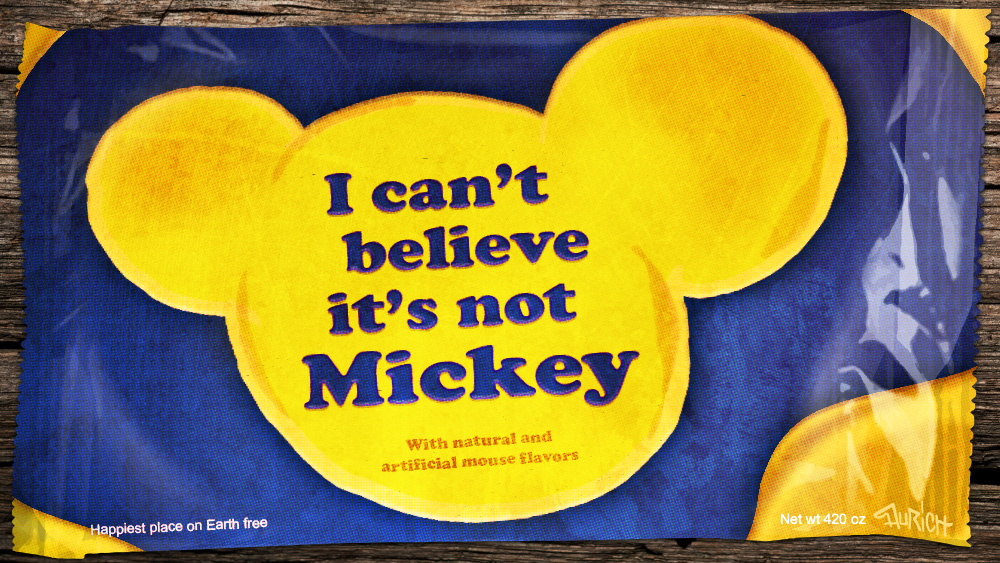
Disney's recent legal action against Google marks a significant moment in the evolving landscape of copyright in the age of artificial intelligence. The entertainment giant alleges that Google's AI tools infringe upon its copyrights on an unprecedented scale, a claim that underscores the growing tension between creative industries and AI developers.
This development is pivotal for the employment sector as it highlights the shifting dynamics within creative professions. As AI technologies become increasingly adept at generating content, the traditional roles of content creators and intellectual property holders face new challenges. The outcome of this legal battle could set a precedent affecting how AI models are trained and the extent to which they can utilize copyrighted material.
Indeed, Disney's accusation that Google has used a "large corpus" of its works for training AI models without consent raises questions about the ethics and legality of such practices. The entertainment industry, a significant employer globally, could see a transformation in job roles as AI continues to reshape content production. Moreover, Google's integration of AI tools in platforms like YouTube, through models like Veo, illustrates the potential for AI to streamline content creation, yet it also threatens to disrupt traditional media jobs by automating aspects of video production.
Nevertheless, the broader implications of this dispute extend beyond copyright. The use of AI in content creation is emblematic of a wider trend toward automation across various sectors. As AI systems evolve, they not only generate content but also influence how companies approach workforce strategies. The legal and ethical frameworks developed in response to such disputes will play a crucial role in defining the future of employment in creative industries.
According to Google's statement, the company emphasizes its efforts to implement innovative copyright controls, which could mitigate some risks associated with unauthorized content use. However, the tension between technological advancement and intellectual property rights remains palpable.
Looking ahead, the resolution of Disney's legal challenge against Google could have far-reaching consequences for workers in creative fields over the next 12 to 24 months. If AI is increasingly restricted in its use of copyrighted material, companies may invest more in human creativity and innovation. Conversely, if AI tools are allowed broader access, creative professionals might need to adapt by focusing on areas where human input remains indispensable.
In conclusion, the clash between Disney and Google exemplifies the complex interplay between AI innovation and traditional copyright norms. As this legal saga unfolds, it will likely shape the contours of content creation and employment in the digital age.
Originally reported by Ars Technica