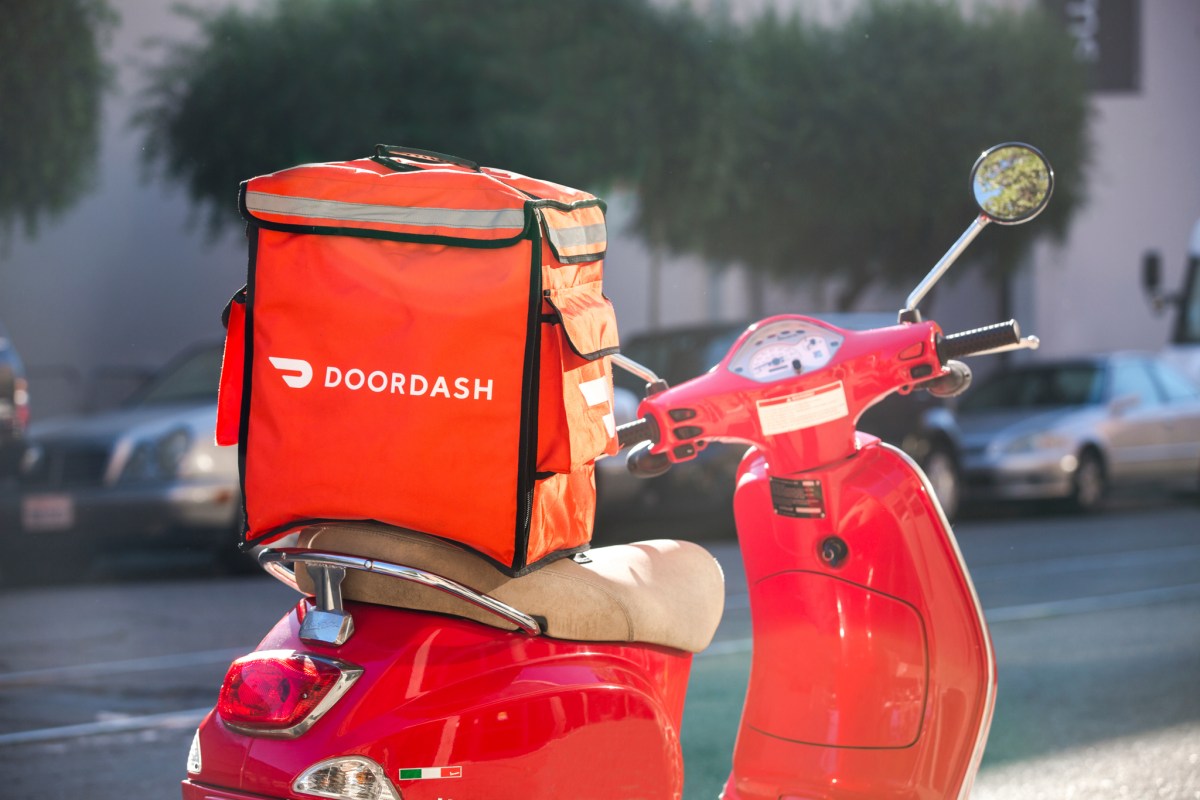
A recent incident involving DoorDash has brought to light the increasing integration of artificial intelligence in delivery operations and the challenges it poses in fraud prevention. A driver allegedly used an AI-generated image to falsely mark a delivery as complete, prompting the company to take swift action.
The implications of this case are significant, especially in the context of employment within the gig economy. As companies like DoorDash continue to incorporate AI tools to streamline operations and enhance customer experience, the potential for misuse also grows. This dual-edged nature of technology necessitates robust fraud detection mechanisms, which, according to the company, involve a combination of technological solutions and human oversight.
Indeed, the reliance on AI in the gig economy is transforming job roles, with delivery drivers increasingly interacting with sophisticated software systems. While AI can enhance efficiency and reduce operational costs, it also introduces new challenges for workers who must adapt to these technological changes. Moreover, the integration of AI in fraud detection, as demonstrated by DoorDash's response, highlights the need for continuous monitoring and updating of these systems to prevent abuse.
The driver in question reportedly used a hacked account and a jailbroken phone, showcasing how vulnerabilities in technology can be exploited. This incident underscores the importance of cybersecurity measures and the potential risks associated with digital transformations in employment sectors reliant on technology.
Furthermore, as AI continues to evolve, its role in transforming the gig economy will likely expand. Companies will need to balance the benefits of AI-driven efficiencies with the ethical considerations of privacy and job security. For workers, this means staying informed and adapting to new technological requirements to remain competitive in the job market.
In the next 12 to 24 months, workers in the gig economy may see an increase in AI-driven tools designed to optimize their tasks. However, this also means they must be vigilant against new types of fraud and adapt to changing job requirements. The industry's trajectory suggests that while AI will create new opportunities, it will also require workers to continuously develop their skills to keep pace with technological advancements.
This incident with DoorDash not only highlights the immediate challenges of integrating AI in delivery operations but also foreshadows the broader implications for employment in the gig economy. As technology continues to reshape industries, the ability of workers to adapt will be crucial to their success.
Originally reported by TechCrunch.