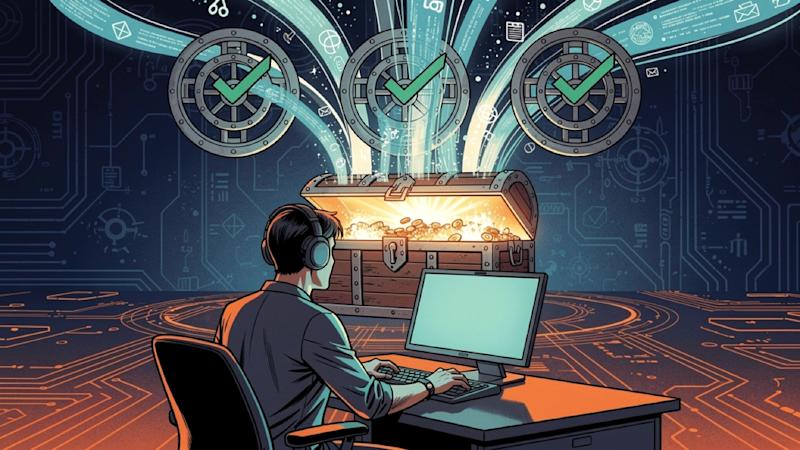
In a striking leap for AI-driven software development, Treasure Data has unveiled a new AI-native command-line interface that allows the creation of a full customer data platform using natural language, engineered by a single developer in mere minutes.
The implications for employment within the software and data engineering sectors are profound. As AI-driven tools like Treasure Code become more prevalent, the demand for human coders capable of producing vast quantities of code will likely diminish. Instead, there will be an increasing emphasis on roles related to AI governance, oversight, and integration.
Treasure Data's creation, Treasure Code, highlights the growing necessity for robust governance systems when AI is capable of generating code autonomously. The firm's approach involves stringent preemptive measures that establish security and procedural guardrails before any code is written. This systemic rigor underscores the shifting landscape in coding jobs. It suggests a future where engineers focus not on writing every line of code but on determining what the AI can and cannot do.
Moreover, the governance model integrates AI into the quality assurance process itself. By deploying an AI-based code reviewer, Treasure Data ensures that AI-generated code adheres to production standards, a move that may redefine quality assurance roles in the software industry. Human oversight remains crucial, yet it's increasingly positioned as a final checkpoint rather than an ongoing process.
Indeed, while automation continues to streamline coding tasks, it simultaneously demands that the workforce adapt to supervising AI processes. Engineers and developers will need to become adept at overseeing AI activity, ensuring that automated systems align with organizational goals and security requirements.
In the coming months, roles centered on governance, ethical AI use, and integration with existing systems are expected to proliferate. This transition represents a profound shift in the skills demanded by the tech sector, as the ability to guide and control AI processes becomes as important as traditional coding skills.
On a broader scale, the integration of AI into software development could inspire industries to reevaluate job roles, focusing on hybrid capacities where technology enhances human decision-making rather than merely substitutes it.
Originally reported by VentureBeat