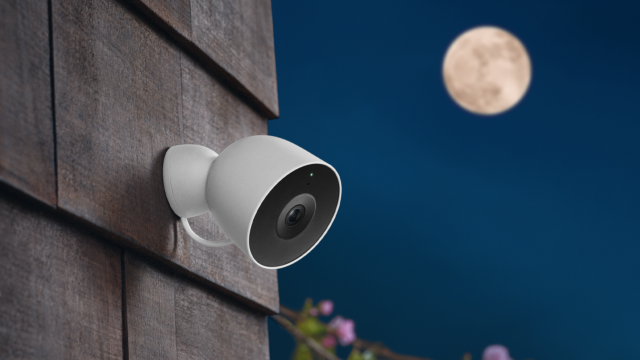
The smart home industry is poised for a seismic shift as Google integrates its Gemini AI into the latest revamp of its Home app and hardware. This transformation promises enhanced user experiences, but it also heralds significant implications for employment within the sector.
This development is particularly crucial at a time when the convergence of AI and home automation could redefine job roles across the tech and service industries. Google's move to infuse AI into consumer products underscores the growing demand for skills in AI development and maintenance, as well as the potential displacement of traditional tech support roles.
The introduction of Gemini-powered features, such as AI-enhanced notifications and conversational commands, suggests a future where fewer human interactions are needed for home management. Indeed, as the app processes vast amounts of data to provide real-time insights, the need for human oversight diminishes. This could lead to a reduction in customer service positions, traditionally filled by employees tasked with troubleshooting and providing user support.
Moreover, the shift towards AI-driven solutions in smart homes might stimulate demand for new roles in AI training, development, and management. As these technologies become more sophisticated, the workforce will need to adapt, emphasizing skills in AI and data analytics. Meanwhile, jobs in traditional tech support could decline, necessitating retraining and upskilling efforts.
The economic theory of creative destruction offers a lens through which to view this transition. While AI may render some roles obsolete, it simultaneously creates opportunities for innovation and growth in new sectors. As smart home technology evolves, the integration of AI could spur the development of new services and products, fostering economic dynamism.
In the next 12 to 24 months, the workforce will likely witness a bifurcation: roles focused on AI development and maintenance will expand, while those dependent on routine tasks may contract. Companies will need to invest in training programs to equip their employees for this evolving landscape.
This transformation echoes the broader trends seen across various industries, where AI is both a catalyst for job creation and a driver of displacement. As the Gemini-powered smart home becomes the norm, workers must adapt to the new technological paradigm to remain relevant.
Originally reported by Ars Technica