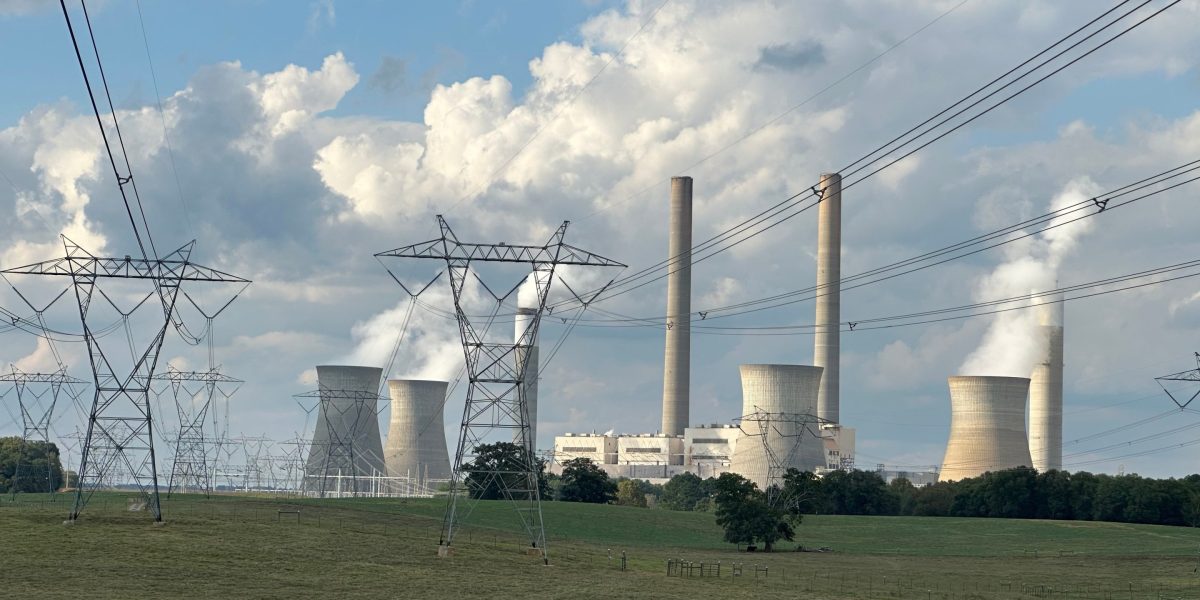
In a bold move signaling confidence in the future of artificial intelligence, Georgia's utility regulators have approved a significant 50% increase in the state's power capacity. This decision, aimed at meeting the anticipated surge in demand from AI data centers, underscores the transformative impact AI is expected to have on infrastructure and employment.
The stakes are high for Georgia Power, the state's largest private electric utility, as it embarks on one of the largest power build-outs in the U.S. The $16.3 billion construction project is driven by a forecasted demand primarily from data centers, which are crucial for supporting AI technologies. By expanding capacity, Georgia aims to position itself as a hub for data-driven industries, potentially creating new job opportunities and economic growth in the region.
Moreover, this expansion reflects a broader trend in the energy sector, where utilities are racing to adapt to the rapid digital transformation driven by AI. The economic implications are profound. The construction and operation of new data centers will not only require skilled labor but also stimulate ancillary industries, from construction to technology services. Yet, the project is not without controversy. Critics argue that the plan is a speculative gamble, placing financial burdens on current ratepayers if the anticipated AI-driven demand fails to materialize.
Indeed, the economic theory of "creative destruction" is at play here, where the old models of energy consumption are being dismantled to make way for new, AI-centric paradigms. As data centers demand more power, they also promise to revolutionize sectors like logistics, healthcare, and manufacturing, reshaping job roles along the way. This transformation could lead to both the displacement of traditional jobs and the emergence of new roles focused on AI integration and management.
Nevertheless, the path forward is fraught with challenges. As Bob Sherrier, representing some opponents, highlighted, the necessity for an additional 10,000 megawatts remains speculative. The risk is that if the AI "bubble" bursts or companies relocate, Georgia's investment may not yield the expected returns, leaving consumers to shoulder the financial burden.
In the next 12 to 24 months, workers in Georgia and beyond will need to adapt to these changes, acquiring new skills to thrive in an AI-enhanced job market. While the initial phases of the project focus on infrastructure, the ripple effects could soon influence workforce dynamics, prompting both opportunities and challenges in equal measure.
As Georgia Power pushes ahead, the outcome of this ambitious expansion will serve as a bellwether for other regions contemplating similar investments. Whether the gamble pays off or not, the decision underscores the undeniable influence of AI on future employment landscapes.
Originally reported by Fortune.