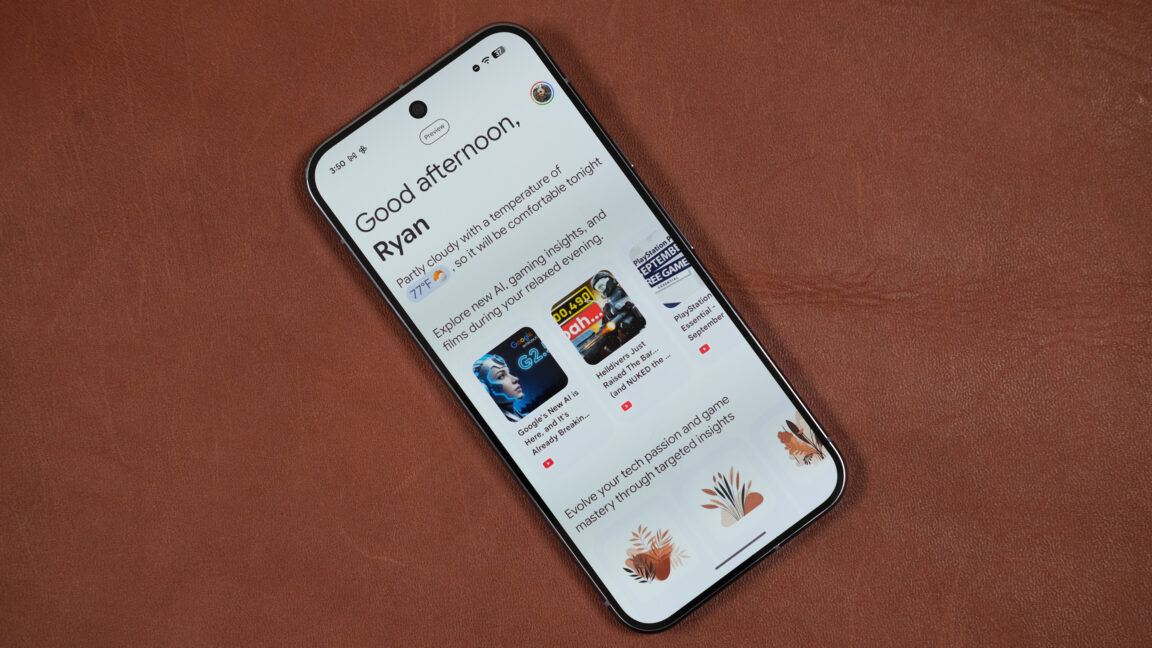
Google's temporary halt on its Pixel 10's Daily Hub feature underscores both the promise and the pitfalls of integrating AI into consumer technology. As the company recalibrates its approach, the implications for mobile AI development and related employment sectors remain significant.
The decision to pause Daily Hub highlights the ongoing challenges faced by companies in deploying AI at scale, particularly in the competitive smartphone market. This move is especially pertinent as the demand for seamless AI-driven user experiences grows. As firms like Google continue to push the boundaries of what their devices can offer, the need for robust AI capabilities becomes increasingly critical, impacting employment in tech development and customer support roles.
Indeed, Google's reliance on the Tensor processor's neural processing unit (NPU) to manage on-device data processing reflects a broader trend in AI technology that emphasizes privacy and autonomy. However, this approach also presents significant hurdles. The Daily Hub, intended to offer personalized insights through AI, struggled to deliver meaningful value, as it often failed to integrate user data in a useful manner. This misstep serves as a cautionary tale for other tech companies racing to incorporate AI into their products.
Moreover, Google's challenges with the Daily Hub reveal underlying issues with AI's ability to contextualize and process personal data effectively. This scenario is not unique to Google; it mirrors similar struggles faced by competitors like Samsung with its Now Brief feature. Both companies aim to use AI to enhance user experiences, but the execution often falls short, reflecting a gap between AI's potential and its practical applications.
Nevertheless, the pause on Daily Hub should not be seen as a retreat but rather a recalibration. Google's commitment to improving the feature suggests ongoing investment in AI talent and resources. For workers in AI development and related fields, this indicates a continued demand for skills in machine learning, data analytics, and user experience design.
In the next 12 to 24 months, as Google refines its AI offerings, workers can expect shifts in job roles and responsibilities. Specifically, there may be an increased focus on roles that bridge the gap between technical development and user-centric design, ensuring that AI products meet consumer expectations.
Ultimately, the pause on Daily Hub serves as a reminder of the complexities involved in deploying AI technologies effectively. As companies like Google navigate these challenges, the employment landscape will evolve, with new opportunities emerging for those equipped to tackle these technological frontiers.
Originally reported by Ars Technica.