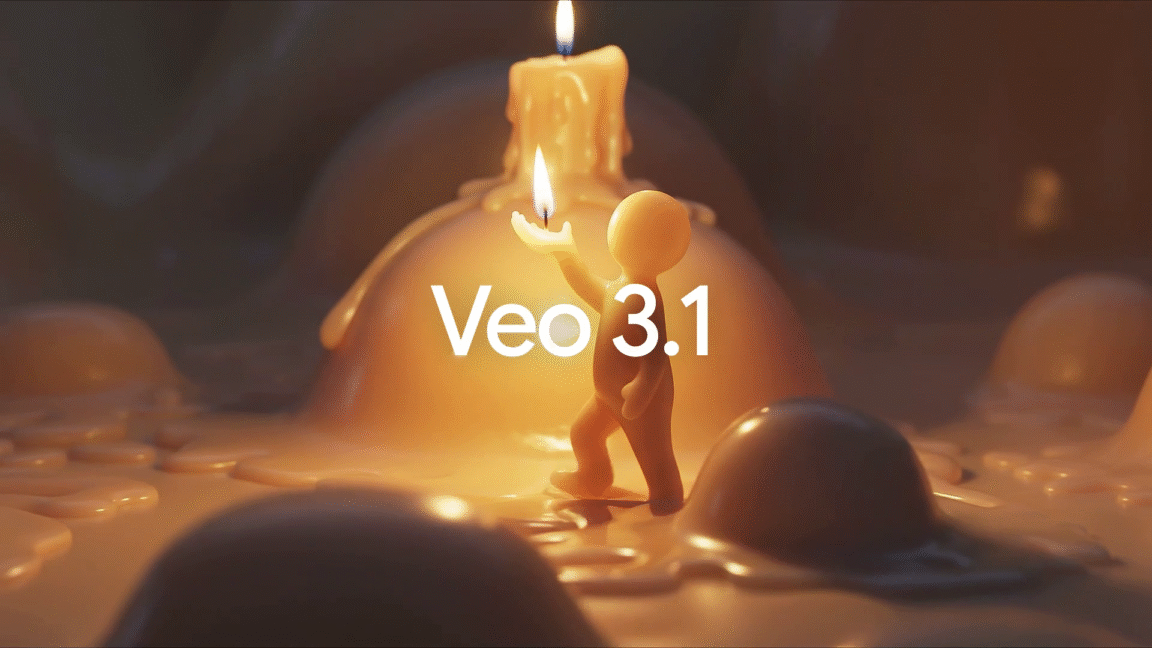
Google’s latest offering, Veo 3.1, heralds a new era in AI-driven video production, promising to revolutionize how content is created and consumed. By enhancing audio and video realism and improving prompt accuracy, this tool is poised to reshape the filmmaking landscape.
The introduction of Veo 3.1 comes at a critical juncture for employment in the creative sector. As AI continues to redefine traditional roles, the demand for new skill sets in video editing and production emerges. This shift underscores the growing importance of adaptability in the workforce, as AI tools like Veo carve new paths in digital content creation.
Veo 3.1 is integrated across Google's AI ecosystem, including the Gemini app and Flow filmmaking tool, which allows filmmakers to produce both landscape and portrait videos with enhanced features. With the ability to add or remove objects in video clips seamlessly, Veo offers unprecedented creative freedom, indicating a potential transformation of roles within the industry. Indeed, the capacity to generate video content more efficiently could lead to a surge in demand for professionals adept at leveraging these tools.
Moreover, Google's strategic move to incorporate Veo into platforms such as YouTube Shorts and TikTok aligns with broader digital trends favoring short-form video content. As a result, content creators may find themselves in a burgeoning market, with Veo expanding the toolkit available to produce engaging, high-quality videos at a lower cost. This democratization of video production could stimulate job creation in areas previously inaccessible to those without significant resources.
The competitive landscape is further intensified by Google's race with OpenAI, which has also introduced advanced video-generating AI. This rivalry not only accelerates technological advancements but also necessitates a workforce capable of navigating and utilizing these innovations effectively.
Looking ahead, the implications for workers in the next 12 to 24 months are significant. As AI tools become more integrated into creative processes, professionals will need to upskill and adapt to remain relevant. The rise of AI-enhanced video production is likely to create new job categories and redefine existing ones, emphasizing the importance of a flexible and skilled workforce.
Ultimately, Veo 3.1 epitomizes the intersection of technology and creativity, offering a glimpse into a future where AI not only augments human capabilities but also fosters new employment opportunities. As the industry evolves, those who embrace these changes stand to benefit the most.
Originally reported by Ars Technica