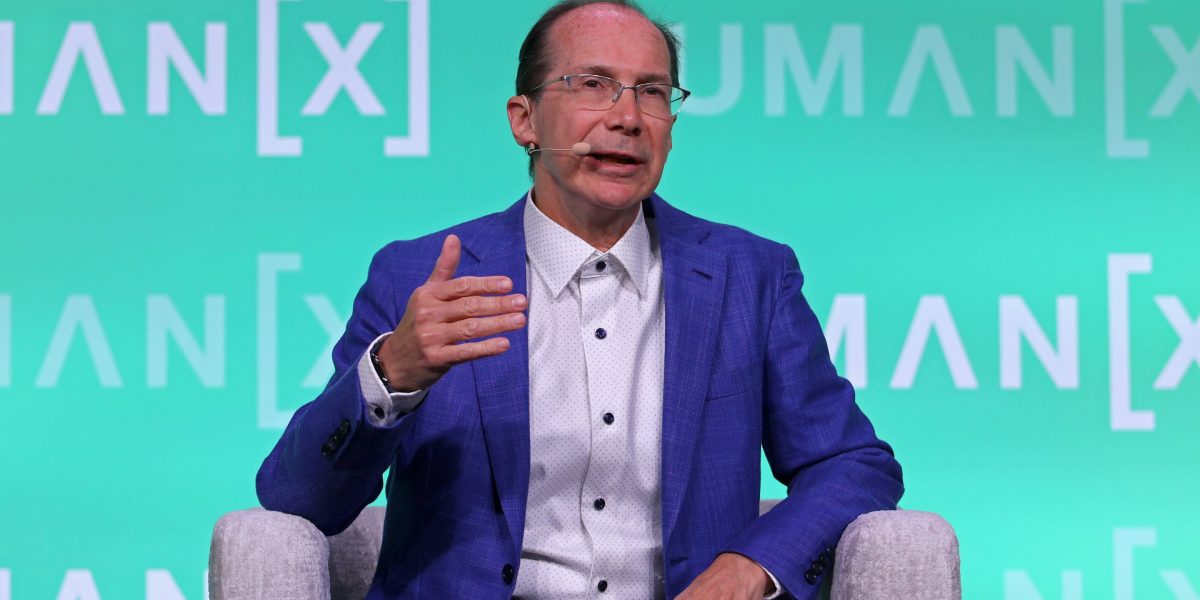
In a world where artificial intelligence is increasingly depicted as a harbinger of job displacement, Idealab's founder, Bill Gross, offers a counter-narrative. By harnessing AI to generate over 1.2 million business ideas, Gross envisions a future where technology not only displaces jobs but also fuels a surge in entrepreneurship, potentially balancing the scales of employment.
The timing of this initiative is crucial. As AI technologies advance, they are reshaping labor markets, particularly in developed economies. The deployment of AI has already led to significant shifts in hiring practices. For instance, Anthropic, a fast-growing AI company, has reported a marked decrease in its hiring of junior technical employees, from 27% to just 9% of all new hires since early 2025. Similarly, administrative roles are being reduced as automation takes hold. These trends suggest that the labor market is adapting, albeit with some growing pains.
Moreover, the potential for AI to stimulate entrepreneurship cannot be understated. Gross's initiative taps into AI’s capacity to unlock latent intellectual property and inspire new ventures. By feeding AI models with 17 million source documents, Idealab has curated ideas across various industries and geographic regions. This could democratize access to entrepreneurial opportunities, providing a lifeline to those affected by automation-driven job losses.
Indeed, the initiative raises broader economic questions about the role of AI in shaping future labor markets. While traditional roles in sectors like finance and administration may shrink, the proliferation of new businesses could create alternative employment pathways. This dynamic mirrors historical patterns where technological disruption has led to the creation of new industries and job types.
Nevertheless, challenges remain. For workers in the next 12 to 24 months, adapting to these shifts will require reskilling and a willingness to embrace new opportunities. The onus is also on policymakers and educational institutions to facilitate this transition, ensuring that the workforce is prepared for an AI-augmented future.
As Gross aptly points out, AI's potential extends beyond its perceived threats. By empowering innovation and entrepreneurship, AI could indeed serve as a catalyst for economic growth and job creation. In a landscape fraught with uncertainty, this vision offers a glimmer of hope.
Originally reported by Fortune.