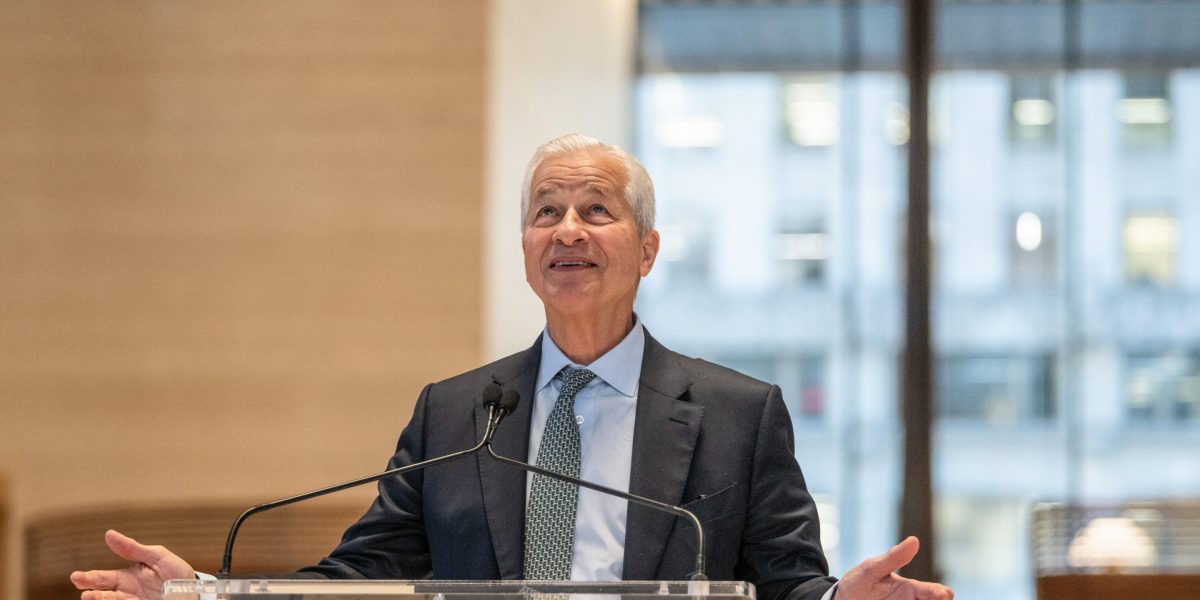
As artificial intelligence continues to weave itself into the fabric of modern economies, Jamie Dimon, CEO of JPMorgan Chase, offers a nuanced perspective on its implications for the workforce. Speaking in an interview on Fox News’ Sunday Morning Futures, Dimon emphasized that while AI will inevitably lead to job displacement, it harbors the potential to enhance human lives significantly, akin to historical innovations like tractors and vaccines.
The stakes are high for employment as AI technology advances. Dimon's insights come at a time when businesses are approaching hiring with caution. However, he clarified that this hesitance is not directly tied to AI, suggesting that the technology's immediate impact may not be as drastic as some fear. This perspective is crucial as it frames AI not as an imminent threat but as a transformative force that, with proper regulation and strategic planning, could lead to a future where people work less intensely yet enjoy richer lives.
Moreover, the conversation around AI and employment is multifaceted. Dimon acknowledges the historical pattern of technological disruption, where innovations have necessitated a shift in skills and roles. Yet, he remains optimistic, likening AI's potential to past advancements that revolutionized industries and improved quality of life. This optimism is tempered by a call for regulation, recognizing the need to mitigate potential downsides and ensure that the benefits of AI are equitably distributed.
Indeed, the potential for job displacement is real, as Dimon reiterated his warning about AI's capacity to eliminate roles. Nevertheless, he urged a focus on developing uniquely human skills such as critical thinking and emotional intelligence, which machines are far from mastering. The ability to adapt and transition into new roles will be paramount as AI continues to evolve. Dimon’s vision of a future with a shorter workweek underscores his belief in AI's capacity to enhance, rather than diminish, human productivity and satisfaction.
The public and private sectors, Dimon suggested, must collaborate to ease the transition. He advocated for measures like retraining and income assistance, drawing parallels to trade assistance programs that have helped communities adjust to economic changes in the past. As AI creates new job opportunities, particularly in sectors like construction and fiber optics, there is a window to prepare the workforce for these emerging roles, addressing both immediate and long-term employment challenges.
Looking ahead, the next 12 to 24 months will be pivotal as industries adjust to AI's growing influence. Workers and employers alike must navigate this landscape with foresight, ensuring that the technological advancements benefit society as a whole. The potential for a three-and-a-half-day workweek, as Dimon mentioned, could become a reality, reshaping the traditional work-life balance and prompting a societal shift in how we perceive labor and leisure.
In conclusion, Jamie Dimon's reflections on AI serve as a reminder of the transformative power of technology. While challenges remain, the opportunity to harness AI for societal good is immense, promising a future where work is not only less burdensome but also more fulfilling.
Originally reported by Fortune