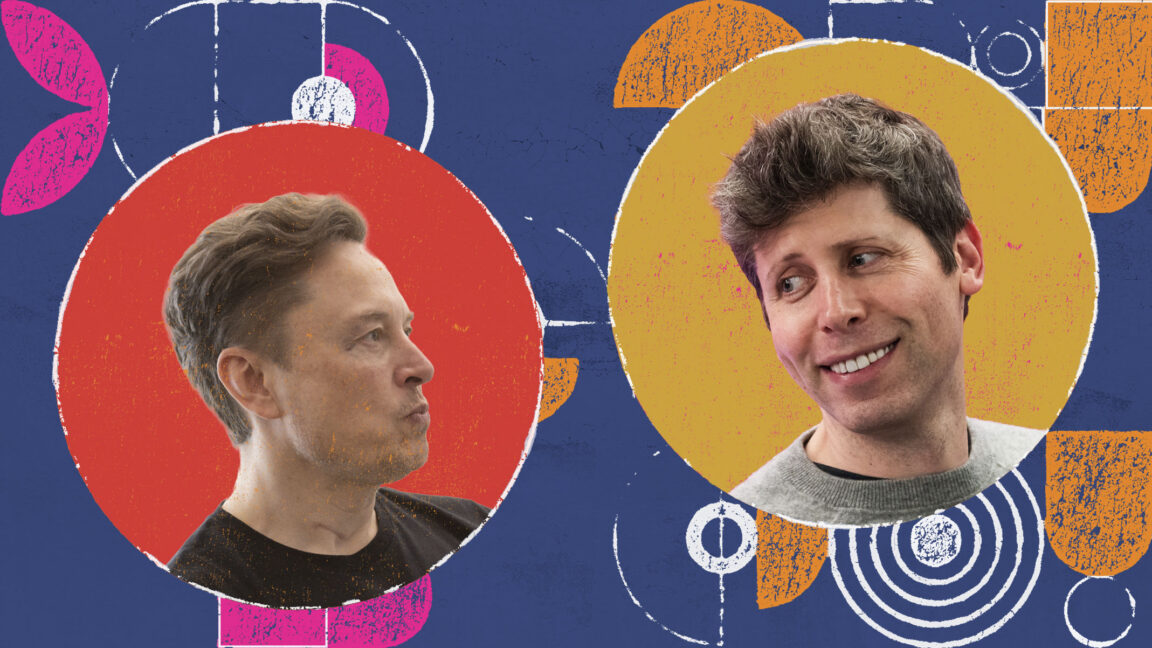
In a trial that promises to redefine the AI landscape, Elon Musk and Sam Altman face off this week over the future direction of OpenAI, a company at the forefront of artificial intelligence innovation.
The stakes in this legal battle are monumental, not just for the involved parties but for the entire AI industry. At its core, the trial questions whether OpenAI can continue to balance its nonprofit roots with its burgeoning for-profit ambitions, a balance crucial for ensuring AI serves the public good rather than narrow corporate interests. The outcome could influence how AI companies shape their strategies, potentially affecting job creation and the broader economy.
At the heart of the dispute is Musk's allegation that OpenAI, under Altman's leadership, has strayed from its original mission to act as a nonprofit entity focused on ensuring AI benefits humanity. Musk's departure from OpenAI and his subsequent rivalry with Altman add a personal dimension to the proceedings. Nevertheless, the trial's implications extend beyond personal vendettas, potentially reshaping how AI companies operate and their impact on labor markets.
Indeed, if Musk prevails, OpenAI might be forced to abandon its for-profit ventures, which could disrupt its funding model and limit its ability to innovate. Such a shift would have significant repercussions for AI-driven employment trends, particularly in sectors reliant on OpenAI's technologies for automation and efficiency gains. Conversely, a victory for Altman could embolden other AI firms to pursue profit-driven strategies, potentially sidelining ethical considerations in favor of shareholder interests.
Moreover, the trial underscores the tension between innovation and regulation in the AI space. As AI systems become increasingly integral to various industries, the need for clear governance structures grows. This trial could set precedents for how AI firms balance ethical responsibilities with financial objectives, influencing job roles and the demand for new skills in the workforce.
For workers, the next 12 to 24 months could bring both challenges and opportunities. Should Musk's vision prevail, a focus on AI's public good might slow the pace of disruptive technological changes, providing more time for adaptation. However, should Altman maintain control, the acceleration of AI's integration into business processes could lead to rapid transformations in job roles, demanding swift upskilling and reskilling efforts from employees.
Ultimately, the trial's outcome will resonate beyond the courtroom, influencing the strategic directions of AI companies worldwide. As the AI sector continues to evolve, the balance between profit and purpose will remain a defining theme, shaping the future of work and the global economy.
Originally reported by Ars Technica.