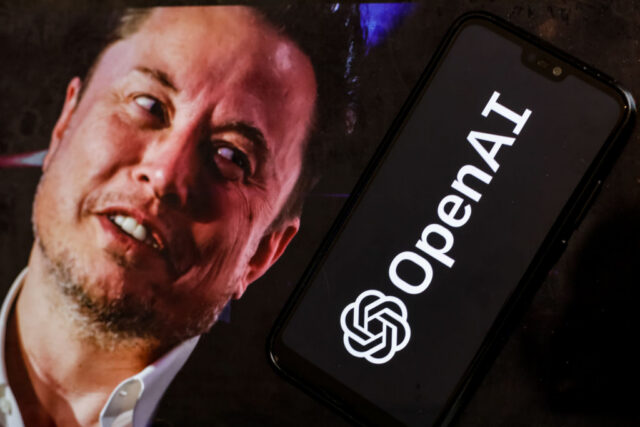
In a dramatic turn that underscores the growing tensions between technology giants and nonprofit watchdogs, OpenAI has come under scrutiny for its aggressive legal tactics against organizations it perceives as aligned with Elon Musk in criticizing its transition to a for-profit entity.
This unfolding legal confrontation is emblematic of the broader challenges facing the AI industry, particularly as it relates to employment and ethical governance. As OpenAI seeks to secure its financial footing and expand its technological reach, the implications for workforce dynamics become increasingly significant.
Over the past week, OpenAI's issuance of subpoenas to nonprofits, including Ekō and The Midas Project, has sparked a heated debate. These organizations argue that OpenAI's actions are intended to intimidate and silence critics, rather than genuinely investigate collaborative efforts with Musk. The nonprofits claim that the subpoenas are part of a strategy to deter dissenting voices, particularly as OpenAI shifts its operational model from nonprofit to for-profit, a move fraught with ethical and economic implications.
Moreover, this legal maneuvering reflects a deeper struggle within the AI sector. As companies like OpenAI transition to models prioritizing profit, questions arise about their commitment to ethical principles and the potential impact on employment landscapes. Nonprofits like Ekō, which focus on holding corporations accountable, argue that such transitions could lead to a workforce environment where profit motives overshadow public interest.
Indeed, the controversy highlights the tension between innovation and regulation in the AI domain. As companies seek to maximize profits, there is a risk that the social contract with employees and consumers could be strained. This scenario poses significant questions about the future of work, particularly in terms of job displacement and transformation. The emphasis on profitability may drive companies to streamline their operations, potentially leading to job losses in certain sectors even as new opportunities emerge elsewhere.
The case against OpenAI also raises critical considerations for policymakers and industry stakeholders. As AI continues to permeate various sectors, the need for robust regulatory frameworks becomes more pressing. These frameworks must balance technological advancement with ethical considerations, ensuring that the benefits of AI are equitably distributed across the workforce.
Looking ahead, the actions of companies like OpenAI and the resistance from watchdogs suggest a turbulent path for AI's integration into the global economy. Over the next 12 to 24 months, workers may experience both uncertainty and opportunity as AI's role in the workplace evolves. The challenge will be to navigate this transition in a way that respects both innovation and the rights of workers.
Originally reported by Ars Technica.