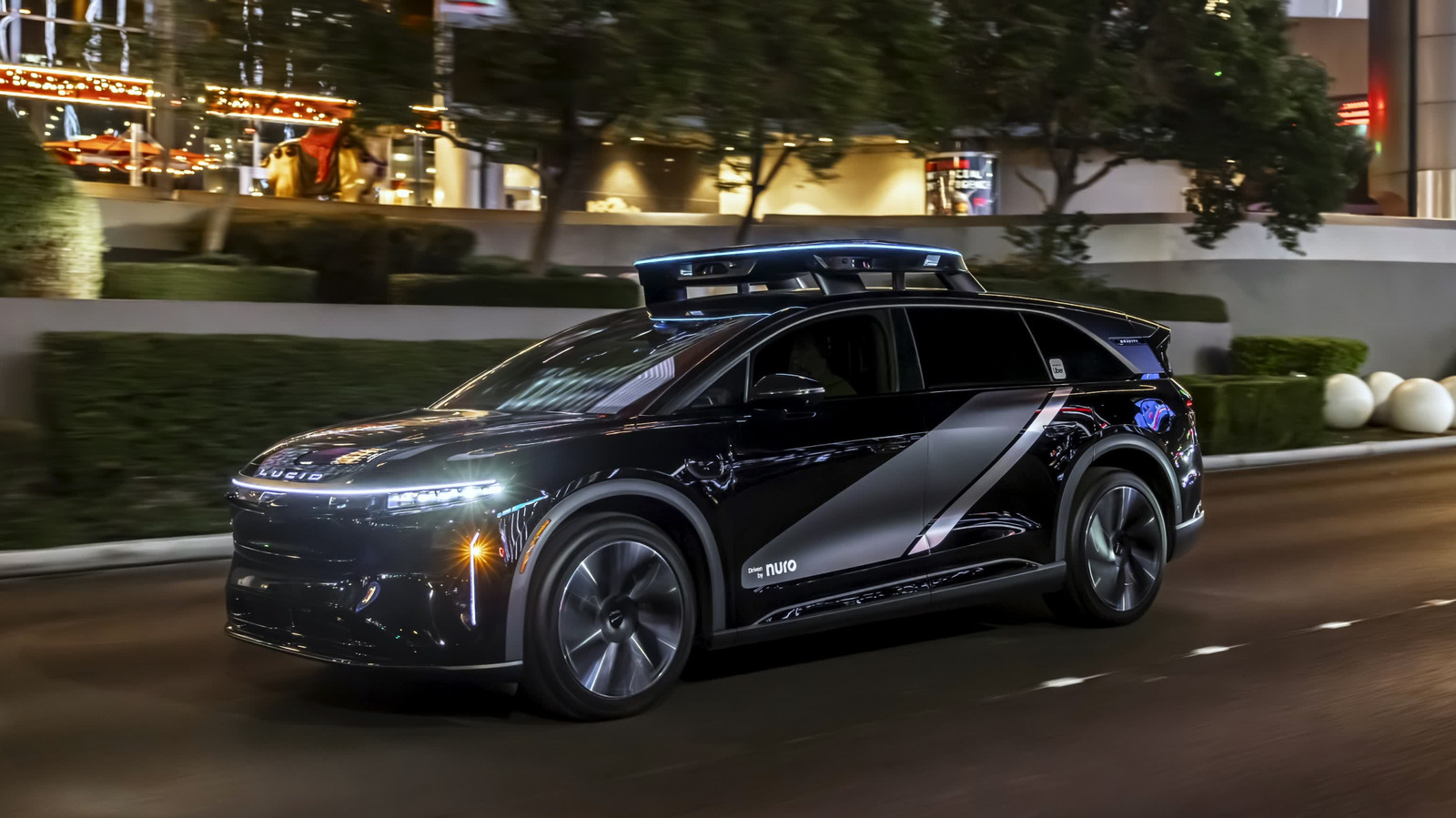
Nuro, backed by major players like NVIDIA and Toyota, has secured a pivotal permit to test its driverless Uber robotaxis on California roads—a significant milestone in the rapidly advancing autonomous vehicle sector.
This development marks a crucial step in Uber's strategic plan to deploy 100,000 autonomous vehicles across the United States, with a substantial 35,000 expected to be powered by Nuro's cutting-edge self-driving technology. The move signifies a potential shift in the employment landscape, as the deployment of such a large fleet of driverless vehicles could reshape job roles within the transportation industry.
Uber and Nuro have been methodically progressing towards this goal, having initially operated the Lucid Gravity EVs in an autonomous mode with human safety drivers, limited to Uber employees. However, the newly acquired permit allows these vehicles to operate without human operators at speeds of up to 45 mph, both day and night, in Santa Clara and San Mateo counties. This advancement is expected to accelerate the timeline for fully autonomous ride-hailing services.
Moreover, Nuro's collaboration with Uber underscores a broader trend in the gig economy, where traditional job roles are being transformed by automation. As companies like Uber invest heavily in autonomous technology, the role of human drivers is poised to evolve—or potentially diminish—over the coming years. This trend highlights a growing need for workforce adaptation and retraining to address the skills gap emerging from such technological disruptions.
Indeed, the economic implications of this development are significant. The deployment of autonomous vehicles could lead to operational efficiencies and cost savings for companies, yet it also poses challenges for employment in the ride-hailing sector. As the technology matures, companies will likely explore new business models and services, potentially creating new job opportunities in areas such as fleet management, data analysis, and tech support.
Looking ahead, the next 12 to 24 months will be critical as Nuro and Uber aim to transition from testing to commercial deployment. This period will likely see increased regulatory scrutiny and further technological advancements. For workers in the transportation sector, this means staying abreast of technological trends and acquiring new skills will be essential to remaining relevant in a rapidly changing job market.
Originally reported by Engadget.