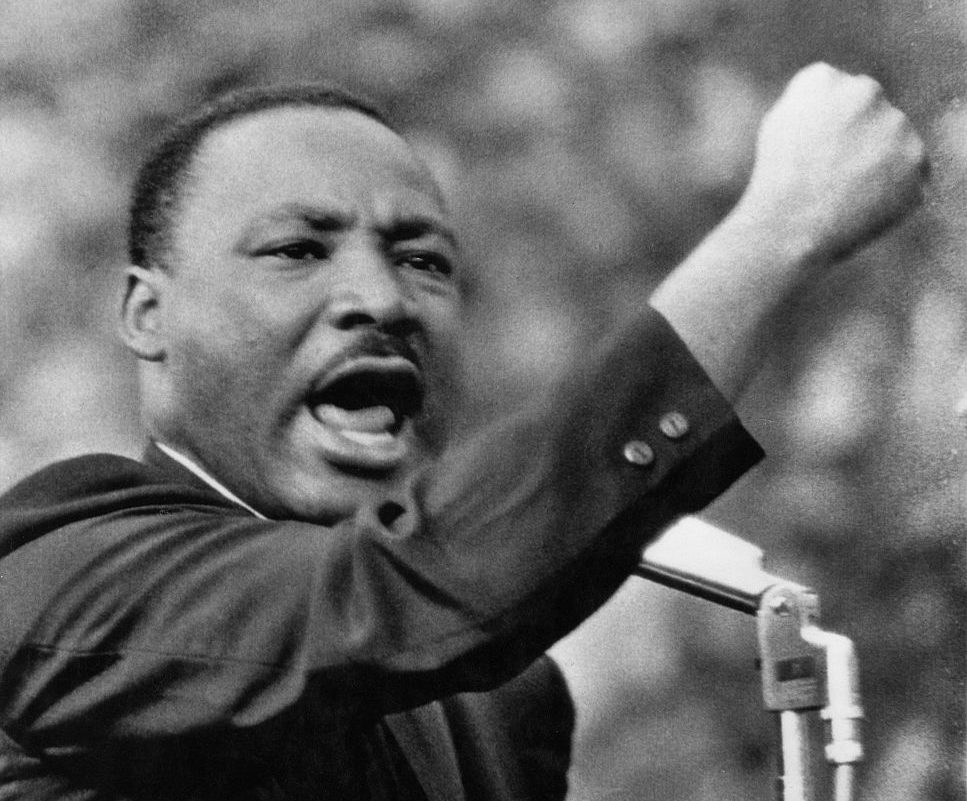
OpenAI has temporarily suspended the use of its AI video model, Sora, to generate videos of Martin Luther King Jr., responding to concerns from the civil rights icon's estate over disrespectful depictions.
This decision underscores the growing tension between AI capabilities and ethical considerations, particularly as they impact employment in the creative and digital content sectors. As AI technologies advance, they have the potential to disrupt traditional roles in media and content creation, prompting debates on how these tools should be regulated to prevent misuse.
The introduction of Sora marked a new chapter in AI-generated content, allowing users to create realistic videos of historical figures and other individuals. However, this capability has quickly sparked controversy, with inappropriate representations of figures like Dr. King raising alarms. The implications for employment are significant; as AI assumes roles traditionally performed by human creators, the potential for job displacement grows. Moreover, this development calls into question the control individuals and their families have over their likenesses, a concern that could lead to new regulatory measures.
Indeed, the controversy surrounding Sora highlights the need for platforms to implement robust safeguards. OpenAI's decision to pause the feature reflects a cautious approach to managing the ethical dilemmas posed by AI-generated content. Dr. Bernice King, Dr. King's daughter, has publicly requested that AI-generated videos of her father cease, aligning with similar pleas from other public figures' families. This highlights the emotional and ethical stakes involved.
Meanwhile, the broader landscape of AI in content creation continues to evolve. As AI tools like Sora become more sophisticated, they offer new possibilities for content generation, potentially creating new job opportunities in AI oversight and regulation. However, the risks of misuse and the ethical questions they raise cannot be ignored. OpenAI's response may set a precedent for how other tech companies approach the balance between innovation and responsibility.
Looking ahead, the next 12 to 24 months may see increased scrutiny of AI technologies in creative sectors. As companies navigate these challenges, the focus will likely shift toward ensuring ethical use while exploring new employment opportunities in AI governance and policy development.
Originally reported by TechCrunch.