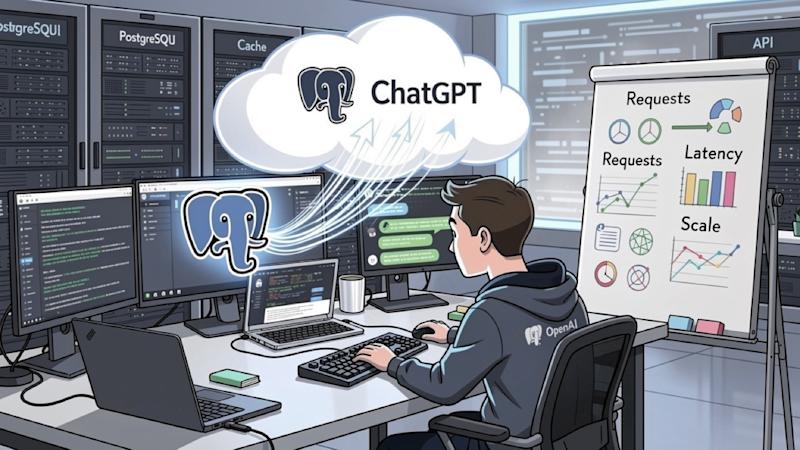
The decision by OpenAI to scale its PostgreSQL database to accommodate 800 million users not only showcases a technical marvel but also hints at the broader implications for the workforce in tech industries.
In an era where the efficient handling of vast data sets is paramount, OpenAI's approach offers a glimpse into how technological strategy can influence job roles within enterprises. As companies strive to optimize their infrastructure, the demand for skilled professionals adept at crafting and implementing such strategies is likely to surge.
OpenAI's choice to maintain a single-primary PostgreSQL instance rather than adopting a distributed database model reflects a deliberate strategy that could significantly impact employment patterns within tech sectors. The decision to optimize existing systems over re-architecting them wholesale suggests a shift in the skill sets required by database administrators and system architects. These professionals will need to focus on enhancing current infrastructures and developing new techniques for optimization, rather than starting from scratch.
Moreover, OpenAI's strategy underscores the increasing value of hybrid database systems. As organizations navigate the complexities of massive-scale data processing, the need for professionals who can seamlessly integrate different database technologies will likely grow. This trend could lead to the transformation of traditional database roles, requiring a blend of analytical skills and innovative thinking to manage and optimize hybrid environments effectively.
Indeed, as OpenAI continues to scale its PostgreSQL database, the ripple effects on employment are manifold. The need for skilled personnel who can implement advanced connection pooling techniques and manage cache locking to prevent system overloads becomes apparent. These roles may not be entirely new, but they will require a deep understanding of both legacy systems and cutting-edge optimization strategies.
Meanwhile, the broader employment landscape in technology may witness significant shifts. As companies like OpenAI prioritize optimization and scalability, there is a potential for roles focused on infrastructure maintenance and enhancement to emerge more prominently. Additionally, the ability to adapt and innovate within existing frameworks could become a prized skill set, influencing hiring practices and professional development programs across the industry.
Looking forward, as OpenAI's PostgreSQL setup continues to evolve, the next 12 to 24 months could see a rise in demand for specialized knowledge in hybrid systems management. The challenge for workers will be to adapt quickly, acquiring new skills that align with emerging technological strategies.
In conclusion, OpenAI's approach to database scaling is not just a technical feat but a bellwether for how tech companies might navigate the intersection of innovation and employment. As the industry continues to evolve, the ability to optimize existing systems rather than reinvent them may become a defining characteristic of successful enterprises.
Originally reported by VentureBeat.