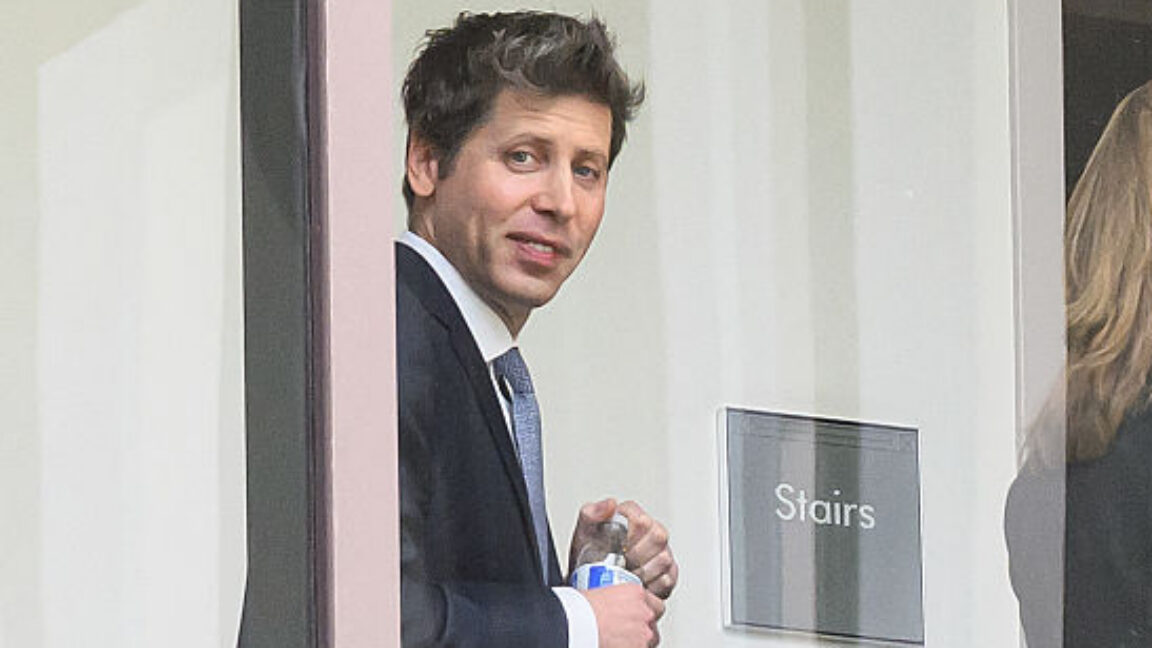
In a dramatic courtroom exchange, Elon Musk and Sam Altman find themselves at odds over the destiny of OpenAI, a confrontation that underscores the turbulent path of AI development and its implications for employment and innovation.
This legal battle is not just about corporate ownership; it is emblematic of the broader struggle between technological advancement and ethical stewardship. As OpenAI transitions to a for-profit model, questions arise about its commitment to creating jobs that benefit society versus merely enriching a few stakeholders. This dispute encapsulates the conflicting ideals within AI development, where the potential for job creation is entangled with the risk of deepening disparities.
The trial's outcome could significantly influence how AI-driven companies strategize about their workforce. Musk’s allegations suggest that OpenAI, through partnerships with Microsoft, has shifted its focus from altruistic AI development to profit-driven motives. Meanwhile, Altman’s defense, which portrays Musk as a disgruntled participant, highlights the competitive dynamics influencing AI leadership decisions. Both narratives reflect the volatile environment that can impact job roles across the tech sector.
Moreover, the trial highlights the precarious nature of executive decisions in shaping the future workforce. Altman’s admission of a potential defection to Microsoft during OpenAI’s leadership crisis underscores the allure of tech giants in attracting talent for AI research. This underscores a growing trend where tech behemoths consolidate power and talent, potentially stifacing startup-driven innovation, which historically has been a catalyst for job creation.
Indeed, as AI companies navigate between ethical commitments and profit motives, the implications for the labor market are profound. On one hand, there is the promise of creating specialized roles in AI ethics, oversight, and technical development. On the other, there is a looming threat of automating roles traditionally held by humans, potentially exacerbating workforce displacement if not managed with foresight.
Looking ahead, the fallout from this trial could redefine AI governance models and their impact on employment. As AI integrally shapes industry landscapes, there is a need for robust frameworks that balance innovation with societal wellbeing.
Ultimately, as the courtroom drama unfolds, the stakes extend beyond OpenAI to the very essence of how AI will integrate into the global workforce. It serves as a poignant reminder of the need for leadership that aligns technological progress with ethical employment practices.
Originally reported by Ars Technica