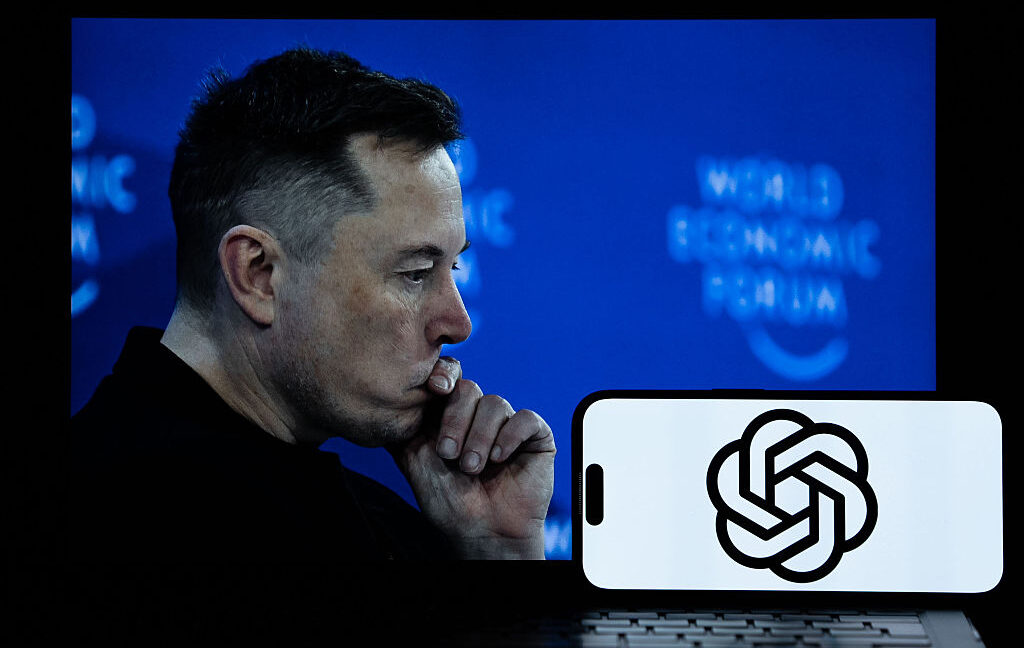
A recent court ruling in favor of OpenAI, dismissing claims from Elon Musk's xAI about trade secret theft, marks a significant moment for the AI industry. This decision not only clears OpenAI of allegations but also underscores a critical principle in trade secret law, emphasizing the distinction between hiring talent and stealing intellectual property.
The implications of this ruling are profound for the employment landscape within the AI sector, particularly as companies vie for top talent in an increasingly competitive market. The court's decision highlights the legal protections available to companies against unfounded allegations, potentially encouraging more aggressive recruitment strategies in the tech industry.
Moreover, as AI technology rapidly evolves, the demand for skilled professionals continues to rise. The ruling reinforces the notion that companies can confidently hire from competitors without the looming threat of costly litigation, provided they adhere to legal standards. This could lead to a more dynamic labor market where talent mobility is less restricted, fostering innovation and growth.
Indeed, the case sheds light on the broader trends affecting employment in the AI sector. As AI companies expand, they face the dual challenge of sourcing skilled labor while navigating complex legal frameworks designed to protect proprietary information. The court's decision may serve as a precedent, clarifying the boundaries of lawful hiring practices and potentially influencing future legal disputes in the industry.
Industry leaders must now consider the balance between protecting their trade secrets and facilitating a fluid job market that benefits from diverse experiences and fresh perspectives. The ruling could encourage firms to focus more on developing robust internal training and development programs, thereby reducing reliance on external hires.
In the next 12 to 24 months, we can expect AI companies to continue expanding their workforce, driven by the demand for advanced AI solutions across various sectors. This expansion will likely result in new job opportunities, particularly in roles that support the integration and management of AI technologies.
Ultimately, the court's decision not only impacts OpenAI and xAI but also sets a tone for the industry at large, reinforcing the idea that healthy competition and talent acquisition are vital to technological advancement. This legal clarity paves the way for a more innovative and agile workforce ready to tackle the challenges and opportunities presented by AI.
Originally reported by Ars Technica