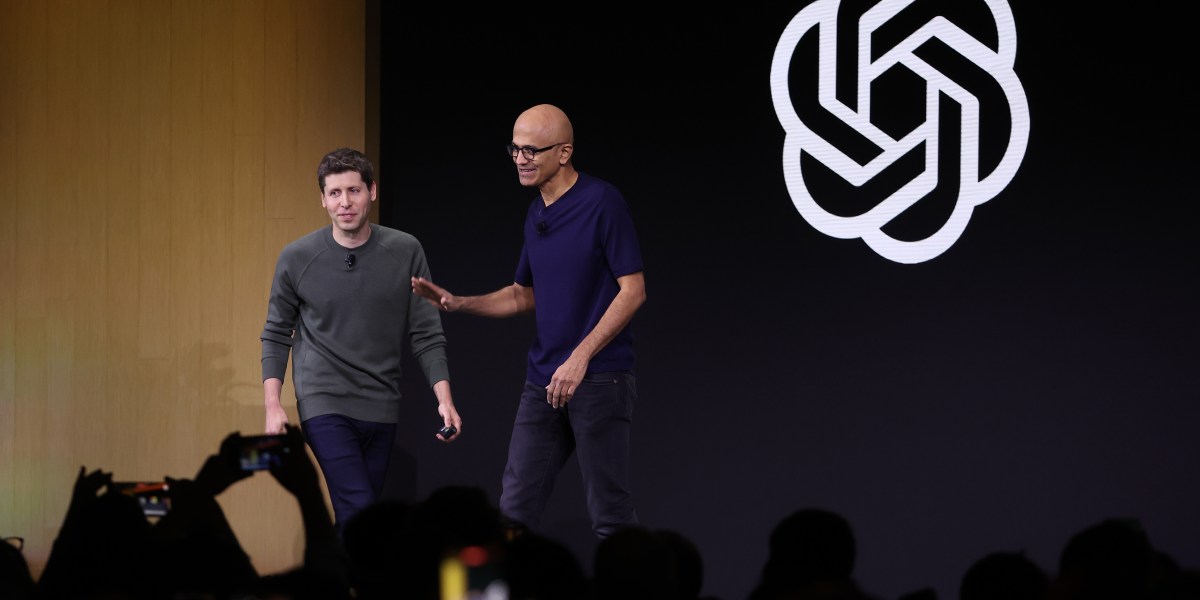
The recent restructuring of OpenAI marks a pivotal transformation in the AI landscape, with significant implications for employment across various sectors. Microsoft, having secured a substantial stake in OpenAI, stands to gain long-term advantages that could reshape the future of AI development.
This agreement matters profoundly for employment, as it underscores the evolving relationship between AI innovation and workforce dynamics. With Microsoft poised to harness OpenAI's advanced technology, the potential for job creation in AI-related fields is substantial, while certain roles may face disruption.
OpenAI's transformation into a public benefit corporation, facilitated by Microsoft's strategic involvement, is a testament to the growing importance of aligning technological advancement with societal objectives. This restructuring not only ensures continued investment but also emphasizes the critical need for governance structures that can influence AI's impact on the workforce. Moreover, with OpenAI's valuation climbing, Microsoft’s 27% stake represents a significant financial gain, reflecting investor confidence in the potential of AI to drive economic growth.
Indeed, the arrangement allows Microsoft to access OpenAI's technological developments, including those that might achieve artificial general intelligence (AGI). Such access positions Microsoft uniquely in the market, enabling it to leverage cutting-edge AI models that could transform industries reliant on cognitive tasks. Meanwhile, the decision to form an independent panel to verify the attainment of AGI reflects a cautious approach to managing the potentially disruptive impacts of AI on employment.
Nevertheless, the agreement’s implications extend beyond the companies involved. By relinquishing cloud exclusivity, Microsoft has opened up opportunities for other firms to access OpenAI's advancements, potentially spurring innovation across sectors. This move suggests an industry-wide recognition of the need for collaborative approaches to AI development, which could influence job roles in technology, data analysis, and beyond.
The forward-looking perspective indicates that over the next 12 to 24 months, workers will likely see a rise in demand for skills related to AI implementation and management. As OpenAI and Microsoft continue to navigate their partnership, the workforce must adapt to new roles created by AI while existing jobs evolve with technological integration.
In conclusion, OpenAI's restructuring not only solidifies its future in AI development but also sets the stage for transformative changes in the workforce. As AI continues to advance, the balance between innovation and employment will remain a critical consideration for both companies and workers.
Originally reported by Fortune.