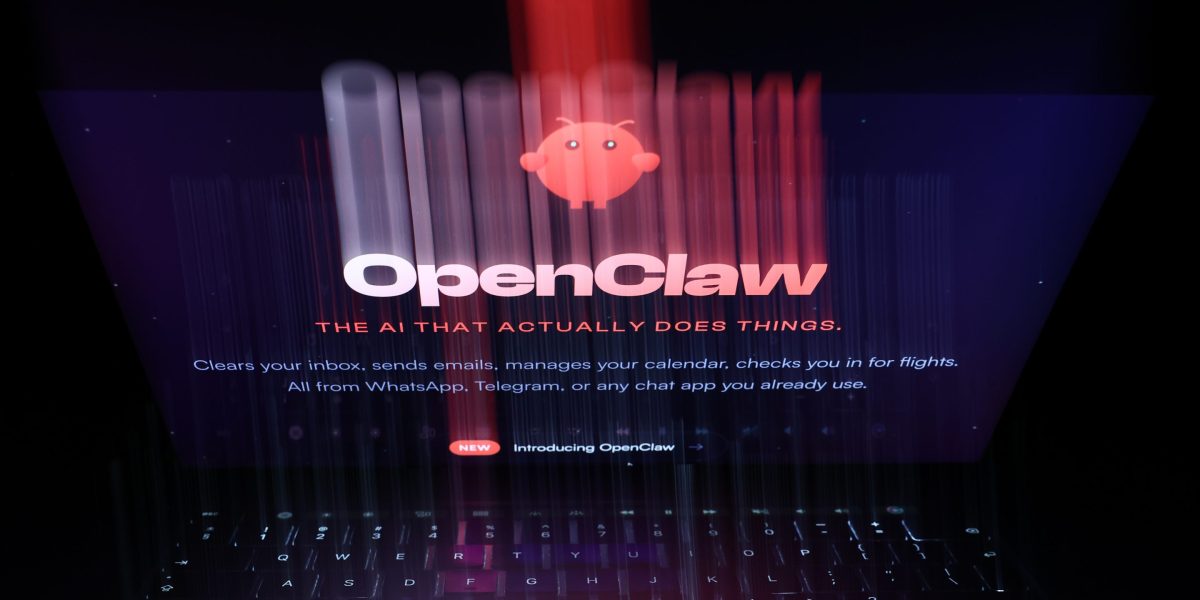
In the rapidly advancing world of artificial intelligence, OpenClaw stands out as a particularly audacious player. Developed as an open-source, autonomous AI agent, OpenClaw is not just another chatbot; it’s a tool that can directly engage with computer systems, and, with minimal user oversight, perform a variety of tasks from sending emails to booking reservations.
The implications for employment, especially as AI technologies mature, are profound. As OpenClaw and similar systems evolve, there's potential for widespread changes in how tasks are allocated between humans and machines. For now, OpenClaw's lack of restrictions allows users to customize their experience, but this autonomy also opens the door to significant security risks. This dichotomy—a tool that is simultaneously powerful and perilous—could reshape roles not only in tech but across sectors reliant on digital tools.
OpenClaw offers a glimpse into the future of AI-driven job functions, where machines possess the capabilities to operate independently, thus transforming roles traditionally filled by humans. However, this transition is fraught with risks, as highlighted by cybersecurity issues such as data leakage and unauthorized command execution. As Ben Seri, CTO at Zafran Security, aptly put it, OpenClaw’s lack of rules is both its allure and its Achilles’ heel, presenting a potential security nightmare.
Indeed, the rise of autonomous AI agents like OpenClaw could lead to a bifurcation in labor markets. On one hand, there will be opportunities for roles centered around AI oversight, security, and integration. On the other, positions that involve repetitive or programmable tasks may see diminished demand due to automation. Moreover, the flexibility and scalability of AI systems could streamline operations, but only if the associated security challenges are effectively managed.
Nevertheless, these developments do not imply an immediate overhaul of the workforce. As Colin Shea-Blymyer from Georgetown’s CSET notes, OpenClaw remains predominantly within the realm of hobbyists. This gradual introduction allows for the ecosystem to mature and stakeholders to understand the implications and address vulnerabilities before widespread enterprise adoption. The current phase serves as a critical learning period, offering insights into potential failures and guiding future implementations.
Looking ahead, as companies evaluate the deployment of autonomous AI systems, there will be a growing need for specialized roles in AI ethics and security, highlighting a shift in the skillset required for future jobs. While the average worker today may not yet need to contend with a fully autonomous AI colleague, the landscape is undeniably shifting, suggesting a future where adaptability and tech-savviness become paramount.
In summary, OpenClaw is a precursor to a broader trend where AI agents could significantly alter the employment landscape, bringing both opportunities and challenges. As the technology continues to develop, workers and companies alike must prepare for a future where humans and AI coexist in increasingly complex and interconnected ways.
Originally reported by Fortune.