Artificial Intelligence is transforming the landscape of human labor, challenging the very essence of what it means to think and work. As AI evolves from merely outperforming humans in chess to becoming indispensable in tasks like drafting emails and problem-solving, it raises a profound question about human purpose in an era where raw intellect becomes commoditized.
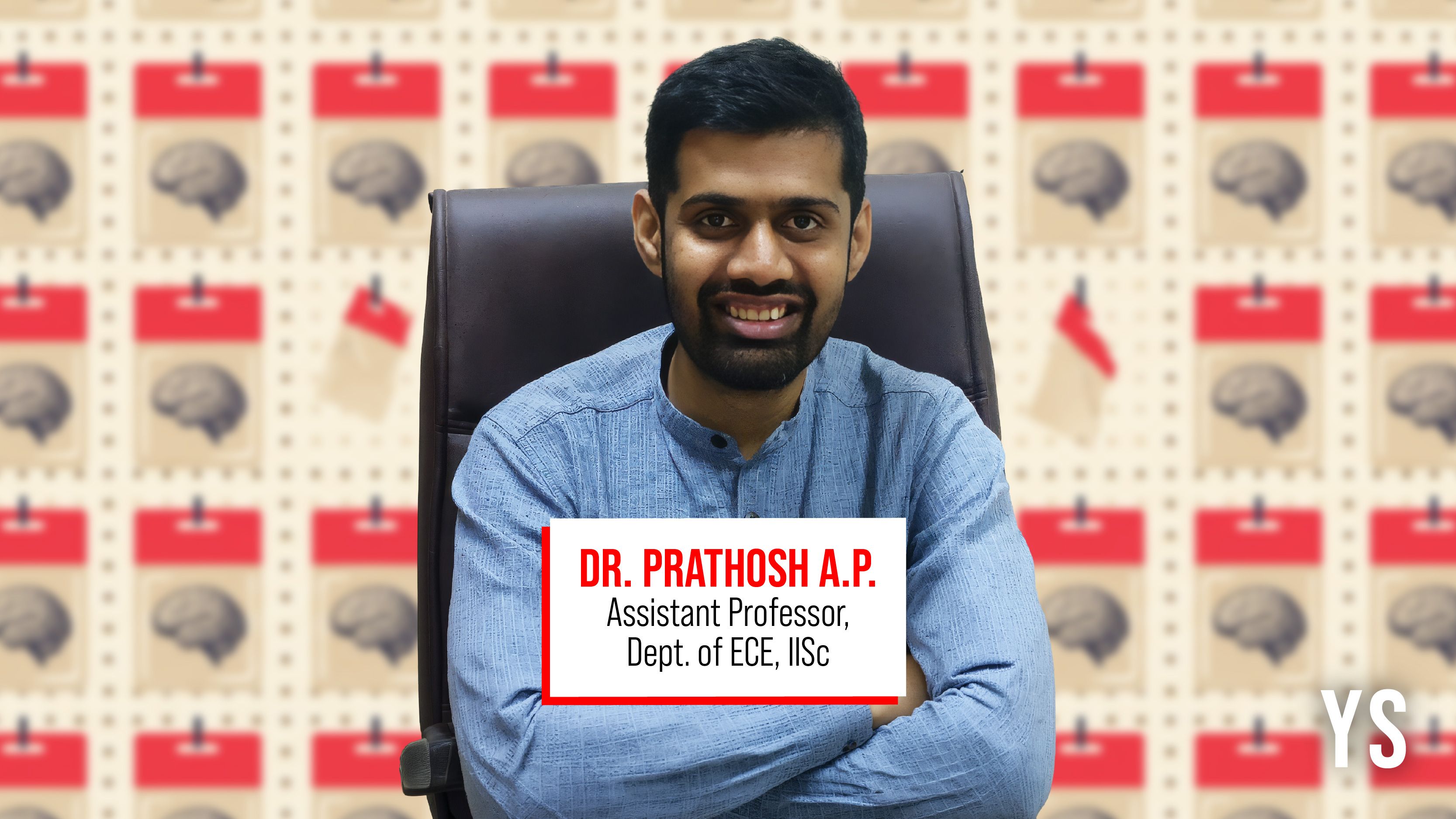
The implications for employment are significant and immediate. Dr. Pratosh, an Assistant Professor at the Indian Institute of Science, warns of a 'civilizational crisis' as AI forces a reevaluation of education and work roles. The commoditization of thinking, he suggests, could lead to a new form of digital feudalism, where the economic benefits of AI are concentrated among the few who own the technology. For countries like India, with vast workforces reliant on knowledge-intensive jobs, this shift could have profound economic consequences.
Moreover, the traditional value proposition of higher education is under scrutiny. With AI like ChatGPT offering personalized and endlessly patient teaching, the relevance of standard university degrees is in question. Dr. Pratosh's observation that his own daughter regards ChatGPT as one of her best teachers underscores this shift. Universities might need to pivot towards offering unique human experiences, such as community and hands-on collaboration, that AI cannot replicate.
Indeed, the skills educators impart must evolve. Dr. Pratosh advises moving beyond mechanical skills like calculating KL divergences—tasks machines can easily handle. Instead, education should focus on equipping students to use AI as a tool for addressing real-world challenges. This transition in educational focus is crucial as AI becomes increasingly integrated into various industries.
The broader employment trends reflect these shifts. While AI improves productivity, it does not guarantee shared prosperity. The economic model currently favors those who own the AI technologies rather than the broader workforce. Nevertheless, the changes also present opportunities for new roles to emerge, particularly those that involve managing and collaborating with AI systems.
Looking forward, the next 12 to 24 months will likely see further integration of AI into the workforce, necessitating a reevaluation of job roles and the skills required to fulfill them. Workers will need to adapt, learning to work alongside AI rather than compete against it. This evolution will redefine what it means to be human in the workplace, focusing on creativity, empathy, and strategic thinking—areas where AI currently cannot substitute human abilities.
Ultimately, as AI continues to permeate various aspects of work and education, the challenge will be to balance technological advancement with human-centric values. The future of work may not be about competing with AI but redefining our roles in a world where AI is a constant companion.
Originally reported by YourStory