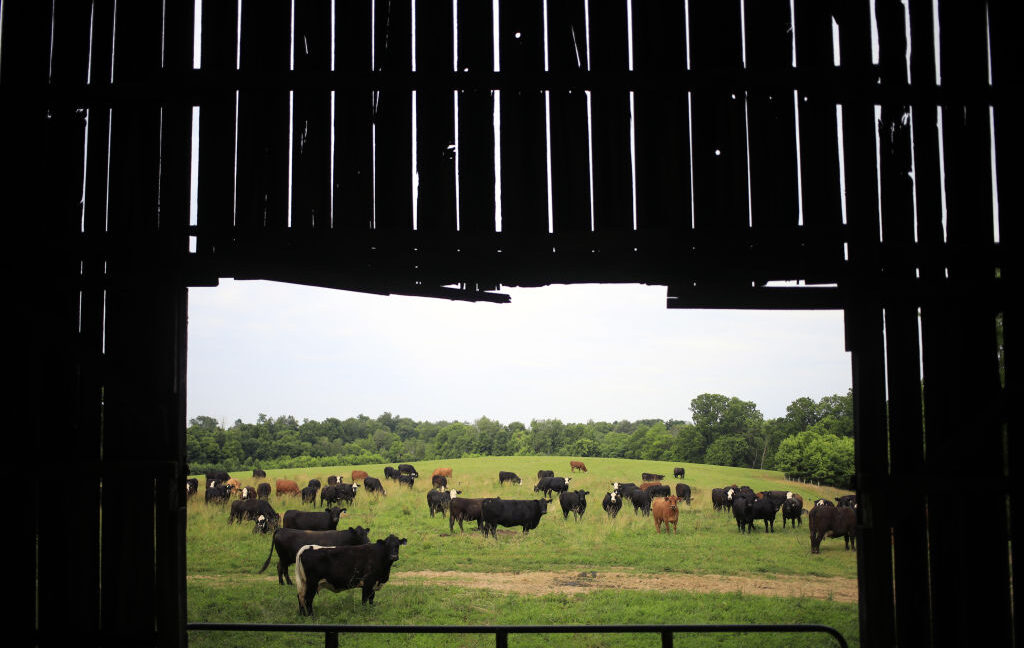
In a striking display of steadfastness, American farmers are turning down lucrative offers from tech giants aiming to convert rural lands into sprawling data centers.
The fervor with which farmers are clinging to their lands is emblematic of a deeper tension between traditional livelihoods and the inexorable march of technological progress. As AI continues to drive demand for data centers, the stakes for rural communities—and their economies—have never been higher.
The Guardian recently reported instances where farmers across the United States have rejected offers that would seemingly transform their financial futures. Offers reaching tens of millions of dollars have been dismissed, as farmers prioritize their connection to the land over monetary gain. Indeed, the attachment to family farms, nurtured over generations, defies the cold calculus of economic opportunity.
Moreover, the expansion of data centers is not just a matter of financial transactions; it has profound implications for employment and community cohesion. As these centers proliferate, powered by the growth of AI, they bring with them potential shifts in local economies. The need for vast tracts of land, often in areas with "weak zoning protections, cheap power, and abundant water," as reported by The Guardian, underlines the strategic interest of tech companies in rural locales.
Nevertheless, the farmers' resistance highlights a critical disconnect. Offers from anonymous middlemen, as experienced by Ida Huddleston, have elicited mistrust and frustration. The lack of transparency in these dealings infuriates farmers, who are asked to sign non-disclosure agreements without clarity on the land's future use. Such practices erode trust and complicate negotiations.
The implications for employment are multifaceted. While data centers promise to usher in tech-driven jobs, they often do so at the expense of traditional agricultural roles. The shift from farming to tech might create new opportunities but could also displace workers unfamiliar with digital skills. The tension is palpable in communities like Huddleston's, where cultural and economic bonds run deep.
Looking forward, the next 12 to 24 months will be pivotal. As AI-driven demand for data infrastructure grows, the pressure on rural lands will intensify. Farmers must navigate these pressures, balancing the allure of financial security against the erosion of a way of life. For the tech industry, this presents a challenge: to integrate respectfully into these communities without dismantling their fabric.
In this standoff between Silicon Valley's ambitions and rural America's roots, the farmers' defiant stance is a reminder that not all progress is measured in dollars. "I'm not for sale," declared Huddleston, a sentiment echoing across America's heartland.
Originally reported by The Guardian.