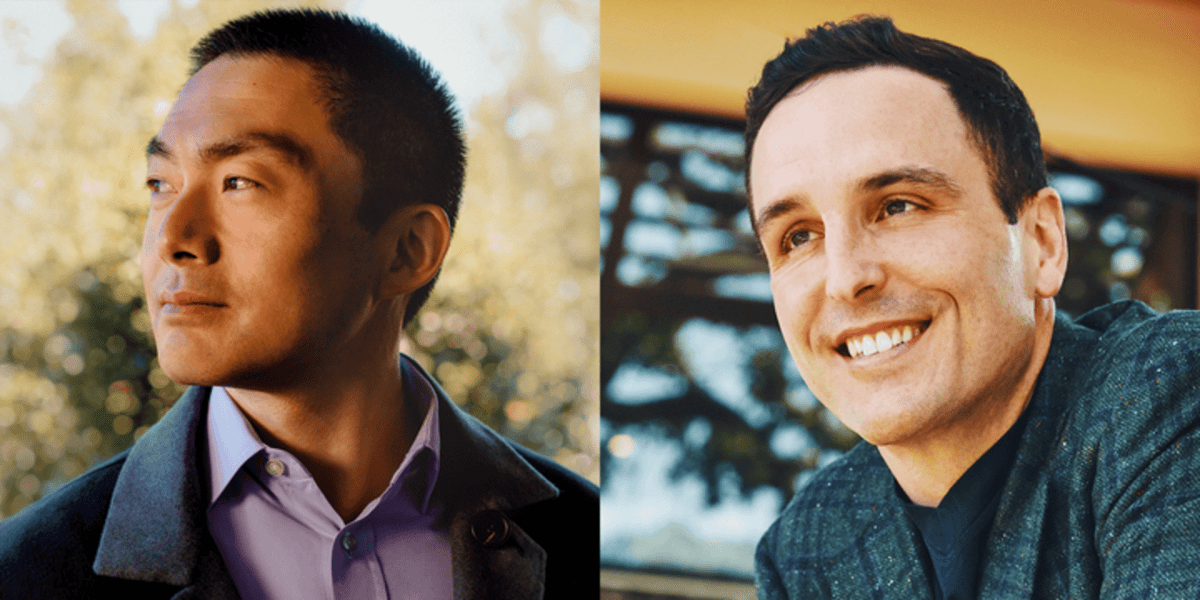
Sequoia Capital's recent leadership transition underscores a pivotal moment in venture capital as the firm doubles down on artificial intelligence investments.
In an era where AI is reshaping industries, Sequoia Capital's decision to appoint Alfred Lin and Pat Grady as co-stewards signals a strategic pivot to harness the transformative power of technology. This change comes as venture capital firms face mounting pressure to adapt to a rapidly evolving landscape, where AI innovations are not just reshaping businesses but entire sectors.
Moreover, the leadership change at Sequoia is emblematic of a broader trend within venture capital: the prioritization of AI-driven startups. Lin, renowned for backing tech giants like DoorDash and Airbnb, along with Grady, who led investments in AI-centric companies such as OpenAI, are well-positioned to steer Sequoia’s portfolio towards cutting-edge innovations. As AI continues to permeate various industries, the need for strategic oversight becomes crucial, and Sequoia's new leadership aims to navigate these waters with precision.
Indeed, the implications for employment are profound. As AI technologies become more embedded in business operations, they promise to alter job roles and create new opportunities. While some positions may be displaced, the demand for skilled workers in AI development, implementation, and oversight is expected to rise. Lin and Grady's leadership could catalyze this shift, emphasizing the need for upskilling within the workforce to meet new demands.
Nevertheless, this transition occurs amid a bifurcating venture capital landscape, with firms either expanding into asset management or concentrating on niche markets. Sequoia’s strategy, as highlighted by its focus on AI, suggests a commitment to remaining at the forefront of technological advancement, aiming to secure best-in-class returns. This approach could potentially model future workforce strategies, encouraging other firms to follow suit by integrating AI as a core component of their investment portfolios.
Looking ahead, the next 12 to 24 months will be critical. As Sequoia channels more resources into AI, the ripple effects on employment could be significant, with potential for both job displacement in traditional sectors and the emergence of new roles in AI-related fields. The need for regulatory frameworks and ethical considerations in AI deployment will also become more pressing, shaping the future landscape of work.
Originally reported by Fortune.