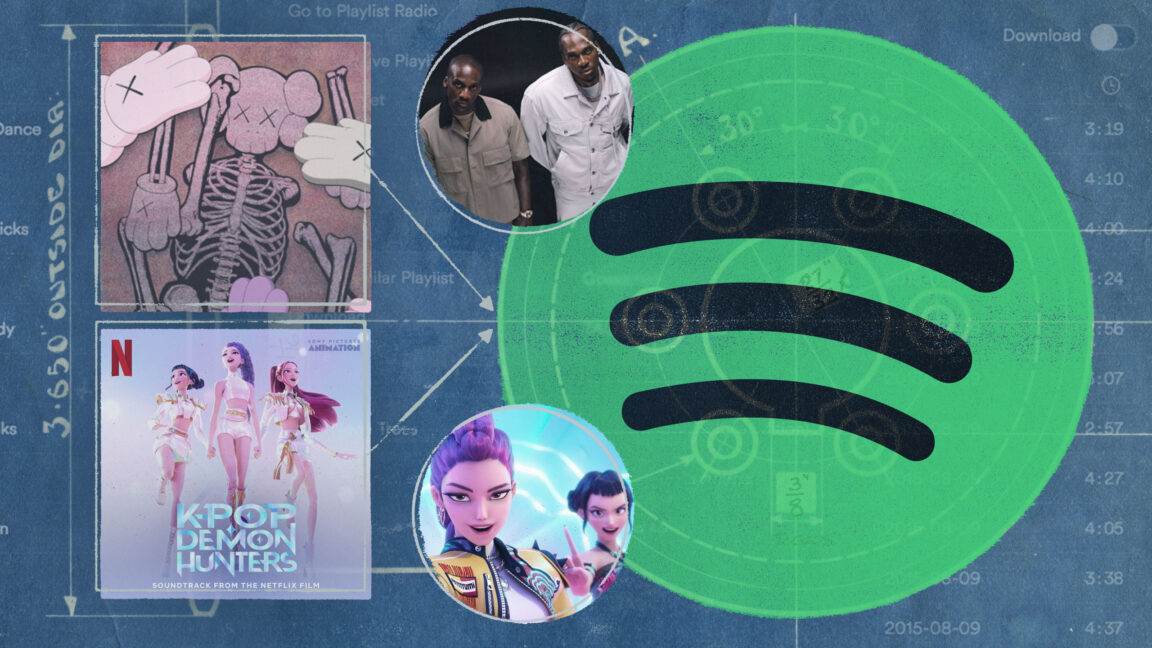
Spotify's recent confrontation with data privacy issues highlights a burgeoning trend: the monetization of user data through AI tools. As the company grapples with its users selling data to third-party developers, the implications for both the music streaming industry and its workforce are profound.
The controversy centers on a group of over 18,000 Spotify users who have joined 'Unwrapped,' a collective initiative allowing them to sell their data for AI development. The sale includes information such as artist preferences, which developers use to create innovative tools that provide users with deeper insights into their listening habits. This move underscores a fundamental shift in how personal data is perceived, not merely as a byproduct of digital interactions but as a commodity with tangible value.
The music streaming sector, represented by giants like Spotify, is undergoing a significant transformation due to these developments. The introduction of AI tools that analyze streaming data could lead to new employment opportunities in data analytics and AI development. However, it also raises concerns about privacy and the ethical use of personal data, which may necessitate new regulatory roles and compliance officers to navigate these complex issues.
Moreover, the ability for users to monetize their data through platforms like Vana, which facilitates these transactions, represents a new frontier in digital economy labor markets. As users increasingly become aware of the value of their data, companies may need to develop more transparent and equitable data-sharing agreements. This shift could empower consumers but might also challenge traditional business models that rely heavily on data-driven insights without direct compensation to data providers.
Indeed, the sale of user data for $55,000 to a company like Solo AI, while modest per user, signals a disruptive potential. It suggests that individuals, much like independent contractors or gig workers, might carve out new economic opportunities in the digital realm, altering conventional employment structures.
In the next 12 to 24 months, this trend could lead to a reevaluation of workforce strategies within tech companies. As users demand a share of the value generated from their data, companies may need to adapt by creating roles focused on data negotiation and user engagement. This could result in a hybrid workforce where traditional roles are augmented by new positions centered around data ethics and user relations.
Spotify's predicament, therefore, is emblematic of a larger shift towards a data-centric economy where the value of personal information is recognized and monetized. This evolution not only challenges existing business paradigms but also opens up possibilities for new job creation and economic models.
Originally reported by Ars Technica.