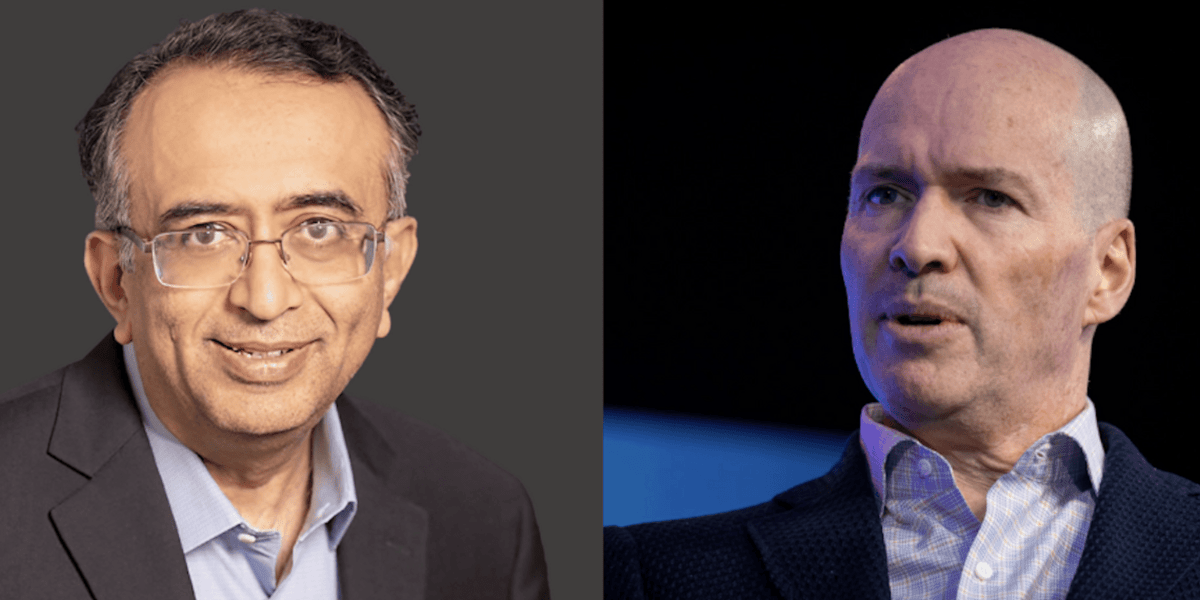
In an era defined by rapid technological advancements, the integration of artificial intelligence (AI) into various sectors heralds a significant shift in the global employment landscape. The recent collaboration between Ben Horowitz of Andreessen Horowitz and Raghu Raghuram, former CEO of VMware, underscores the profound changes AI is bringing to the technology industry and beyond.
This dialogue is crucial at a time when AI is reshaping the very fabric of employment. As Raghuram aptly noted, we are transitioning from deterministic to probabilistic computing, a paradigm shift that necessitates a reevaluation of how businesses operate and compete. The implications for employment are vast, as AI's capability to perform complex reasoning tasks becomes more pervasive and affordable.
Indeed, the venture capital firm Andreessen Horowitz, with over $40 billion in assets under management, is strategically positioning itself to capitalize on these technological shifts. Under the leadership of Horowitz and the new partnership with Raghuram, the firm is exploring opportunities across enterprise and consumer sectors, driven by AI's potential to transform industries. This focus on innovation rather than consolidation speaks to a broader trend in the tech investment landscape, where AI is seen as a catalyst for creating new business models and job roles.
Moreover, the conversation highlighted the nuanced challenges and opportunities AI presents to the workforce. Raghuram's insights into labor deployment underscore the need for strategic resource allocation, balancing human and AI capabilities within enterprises. As AI continues to be integrated, companies face the complex task of determining the optimal mix of human and machine labor, a decision that carries significant implications for employment and productivity.
Horowitz, reflecting on geopolitical dynamics, expressed concerns over the U.S.-China relationship and its impact on investment strategies, particularly in the realm of AI. This geopolitical tension adds another layer of complexity to the global AI narrative, influencing where and how companies choose to invest in AI technologies.
Looking ahead, the next 12 to 24 months will be critical for workers and businesses alike. As AI technologies mature, industries must adapt to the accelerating pace of change, ensuring that workers are equipped with the skills necessary for this new era. The transformation will likely lead to the emergence of new job types, requiring a workforce that is both agile and adaptable.
In conclusion, as AI continues to reshape the world of work, the ability to navigate these changes will determine the success of companies and economies. The partnership between Horowitz and Raghuram symbolizes the intersection of technology and strategy, highlighting the importance of visionary leadership in steering through the uncertainties of this AI-driven future.
Originally reported by Fortune.