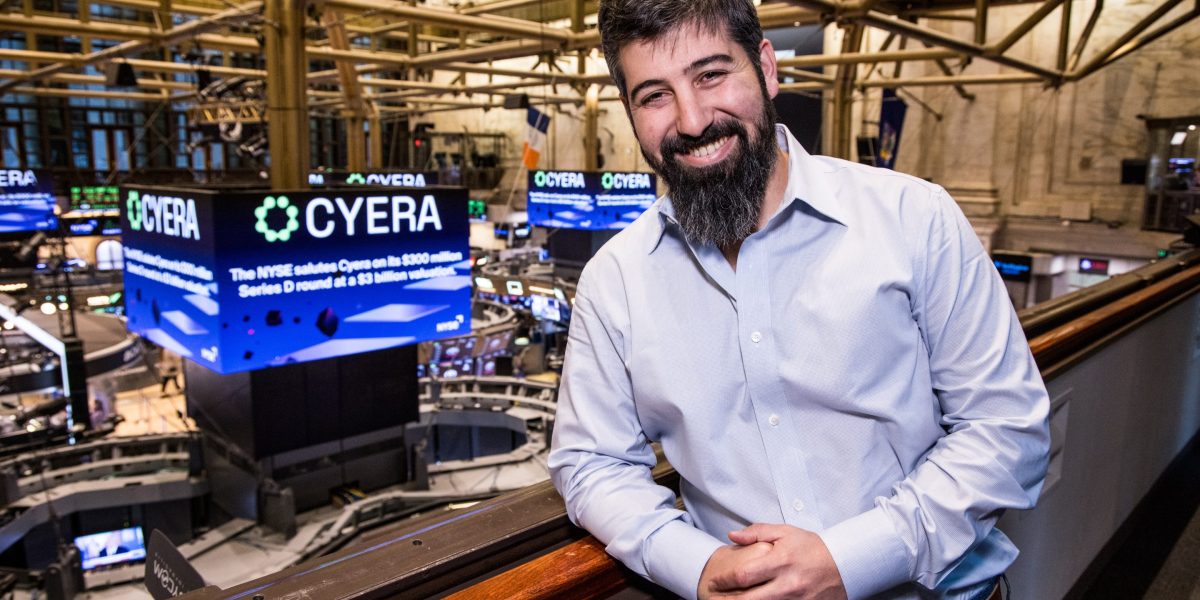
In an increasingly digital world, the demand for secure AI adoption is reshaping corporate strategies and workforce dynamics. AI security, as highlighted by Yotam Segev, CEO of Cyera, presents significant challenges for Chief Information Security Officers (CISOs) across industries, as companies grapple with the dual imperatives of innovation and data protection.
The stakes are high: as AI tools proliferate, enterprises face the dilemma of fostering innovation while safeguarding sensitive data. This tension is particularly acute in sectors like healthcare and financial services, where regulatory requirements provide some leeway to manage AI integration cautiously. However, less regulated industries find themselves under immense pressure, often lagging in the necessary security infrastructure to mitigate risks associated with AI deployment.
Cyera, an AI security startup, epitomizes the rapid growth in this niche, with its annual recurring revenue surpassing $100 million in under two years. The company's focus on understanding data interactions within large organizations underscores the critical need for robust security measures as AI technologies advance. Segev draws an analogy with the gold rush: just as miners needed durable jeans, modern enterprises require secure AI systems to thrive.
Indeed, the surge in AI adoption is transforming traditional roles within organizations. CISOs, for instance, must navigate complex landscapes where public AI tools like ChatGPT and Copilot are used spontaneously by employees, often without adequate oversight. This uncontrolled use poses risks of data breaches, compelling CISOs to balance innovation with stringent security protocols. The situation is particularly dire for organizations unable to enforce strict regulatory compliance, leaving them vulnerable to data exposure.
Moreover, as AI tools evolve from knowledge systems to autonomous agents, the potential for security breaches escalates. Zohar Wittenberg, Cyera's general manager of AI security, warns that enterprises must prepare for a future where AI systems autonomously interact, necessitating preemptive security measures to avert potential disasters. "Hopefully the world will move at a pace that we can build security for it in time," he notes, emphasizing the urgency of developing protective frameworks.
In the coming years, the integration of AI into business operations will likely redefine job roles, creating demand for skills in AI security and data governance. As AI agents become more prevalent, organizations must invest in training their workforce to manage these technologies effectively, ensuring both innovation and security are maintained.
This evolving landscape presents a paradox: while AI offers unprecedented opportunities for growth and efficiency, the associated security risks demand vigilant oversight. As companies strive to harness AI's potential, they must also fortify their defenses, a challenge that will shape the global workforce for years to come.
Originally reported by Fortune.