Amidst the rapid evolution of artificial intelligence, 2026 heralds the dawn of 'agentic AI,' a transformational shift that could redefine employment landscapes globally. These autonomous agents, designed to execute complex tasks independently, are poised to alter traditional job roles, raising critical questions about the future of work.
The significance of this transition cannot be overstated. As AI systems advance beyond simple text summarization to performing intricate functions like booking flights and managing cloud infrastructure, the implications for employment are profound. The automation of such tasks threatens certain job categories while simultaneously demanding new skills from the workforce.
Moreover, the fragility of these AI agents, often overlooked by executives and venture capitalists who focus on model benchmarks and context window sizes, presents a substantial challenge. The true Achilles' heel lies in data hygiene deficiencies. Unlike previous 'human-in-the-loop' systems, where errors could be manually corrected, autonomous agents operate without this safety net, amplifying the impact of data quality issues.
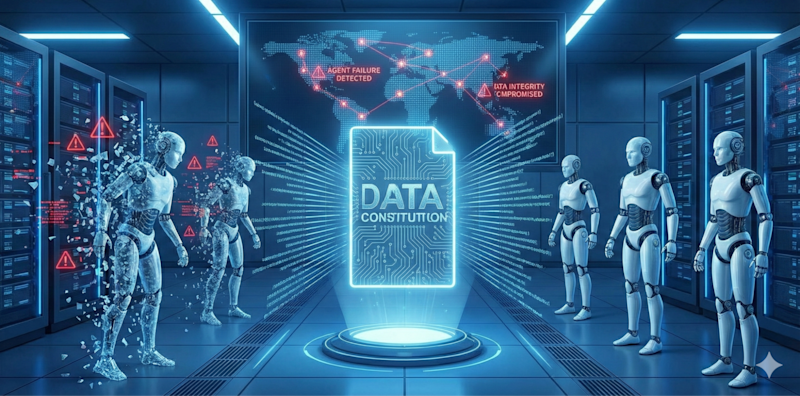
Indeed, this shift necessitates a paradigm change in how data is managed. The proposed 'data quality – creed' framework, akin to a constitutional safeguard for data, could serve as a bulwark against catastrophic failures. By enforcing strict rules on data before it interacts with AI models, this framework aims to mitigate the risk of erroneous decision-making that could disrupt industries and displace workers.
Furthermore, the economic implications of such a fundamental technological shift are significant. As AI models increasingly shoulder tasks traditionally performed by humans, industries will need to pivot, adapting their workforces to new realities. This may involve retraining employees to manage AI systems or developing roles that complement AI capabilities, rather than compete with them.
In the next 12 to 24 months, workers will need to navigate these changes, acquiring skills that align with AI-driven processes. As companies like NBCUniversal adopt defensive data engineering strategies, they set a precedent for others in technology-intensive sectors to follow suit, potentially creating new opportunities for those skilled in data management and AI oversight.
In closing, the advent of agentic AI represents not just a technological evolution but a pivotal moment for the global workforce. As the lines between human and machine capabilities blur, the ability to adapt and harness these changes will define the future of employment.
Originally reported by VentureBeat